

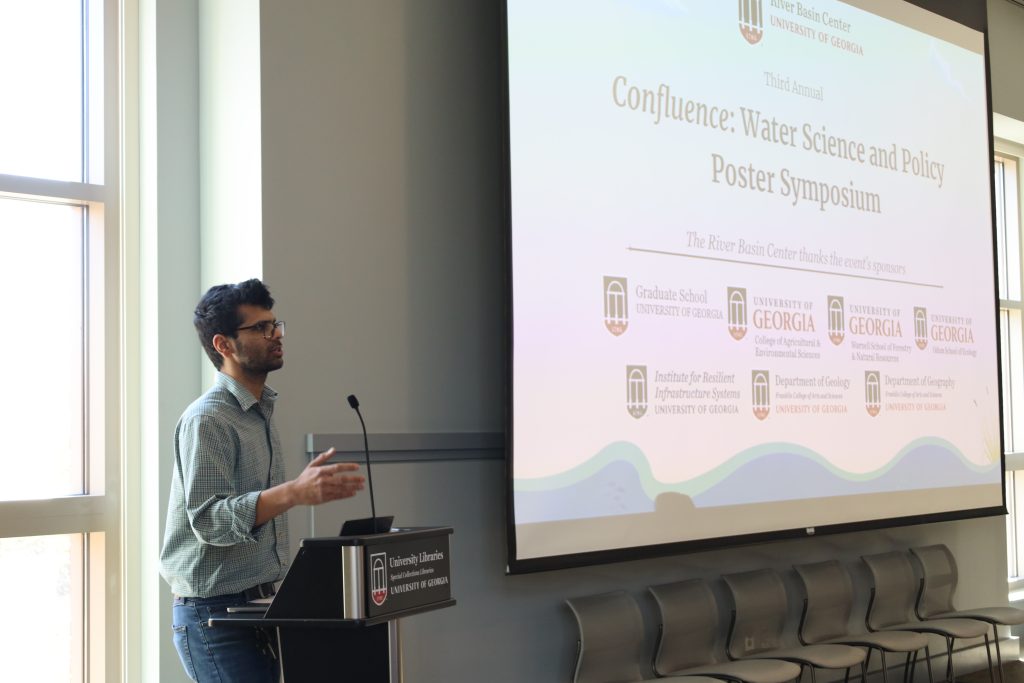

The Confluence Graduate Water Research Poster Contest attracted three dozen student researchers last week to share their findings in the third-annual event at the Richard B. Russell Special Collections Library.
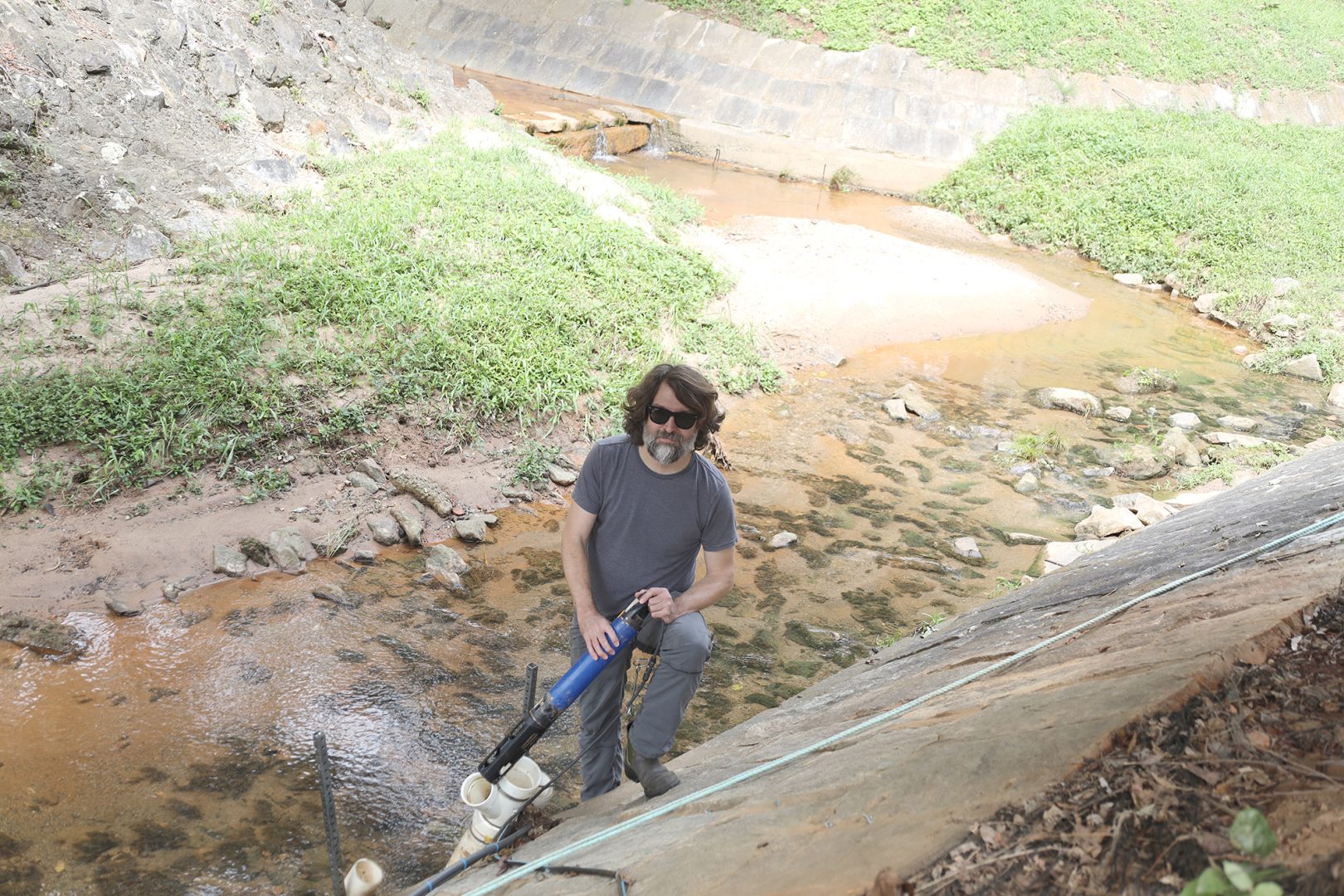
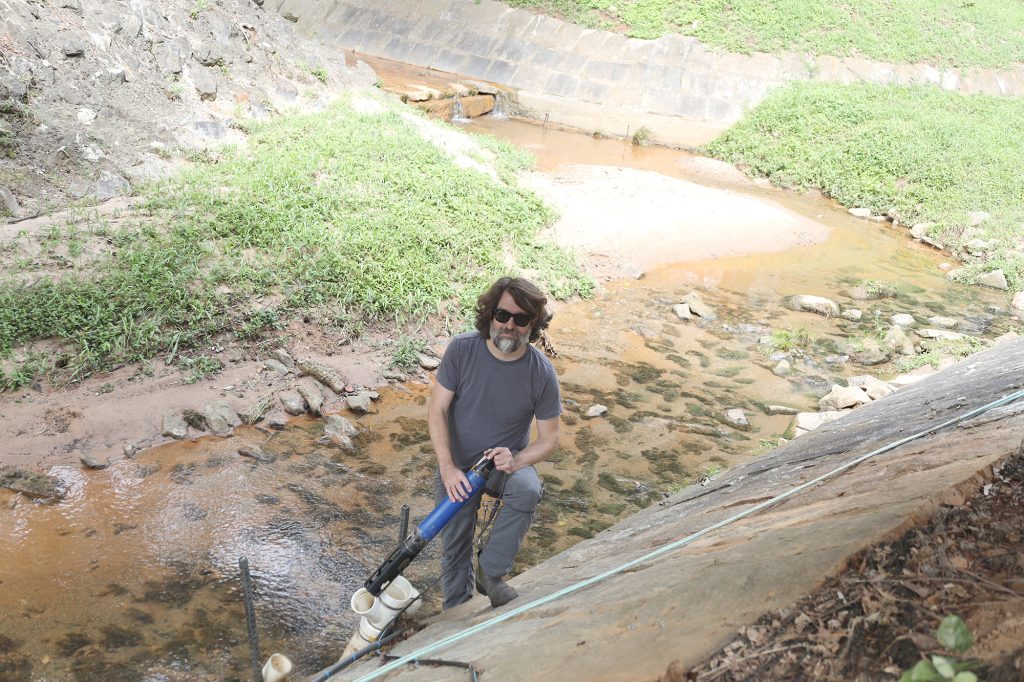
As an affiliate of the River Basin Center, Franklin Leach manages monitoring equipment at the confluence of two branches of Tanyard Creek, streams that come together just south of Bolton Dining Hall in the middle of UGA campus. Tanyard Branch is a learning lab for UGA students from multiple colleges, and the monitoring equipment will provide data for all sorts of research projects in the future.
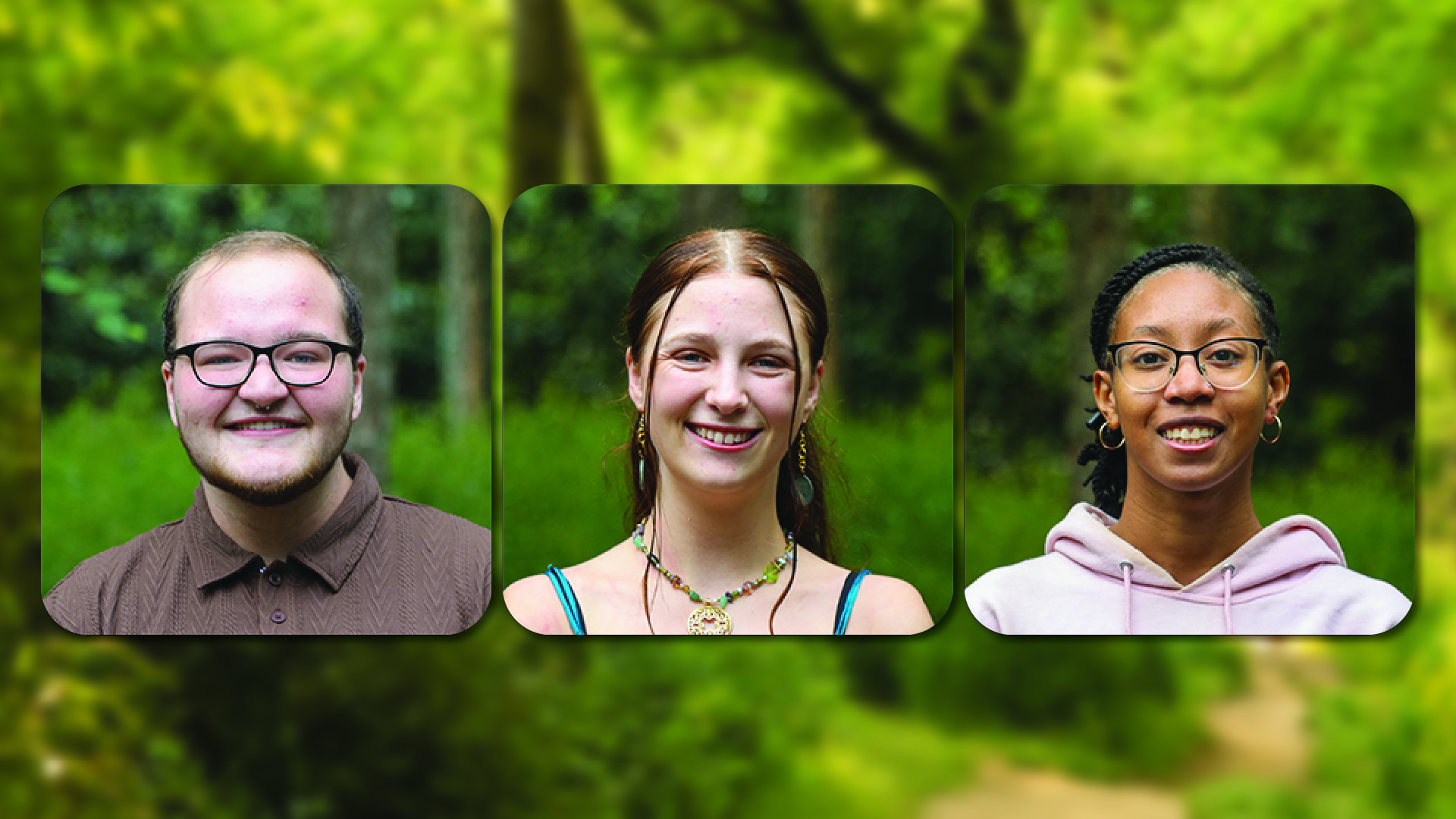
Devon Locke (left), Tre’Shur Williams-Carter (right) and Isabelle “Bell” Scherick (center) were awarded Spencer and Butler fellowships to attend Odum School. Locke and Williams-Carter are master’s students, while Scherick is working toward a Ph.D.

The Rowen Foundation will work with the Odum School of Ecology, Georgia Gwinnett College and Spelman College on a comprehensive research program focused on ecologically sustainable watershed development at the Rowen site, a 2,000-acre planned community in Gwinnett County. The study will examine how the development interacts with the area’s forest streams, wetlands and freshwater ecosystems over a two-and-a-half-year period. Odum School of Ecology professor Seth Wenger, who serves as the River Basin Center Director of Science, and Warnell School of Forestry and Natural Resources professor Rhett Jackson will lead UGA’s efforts on the project.
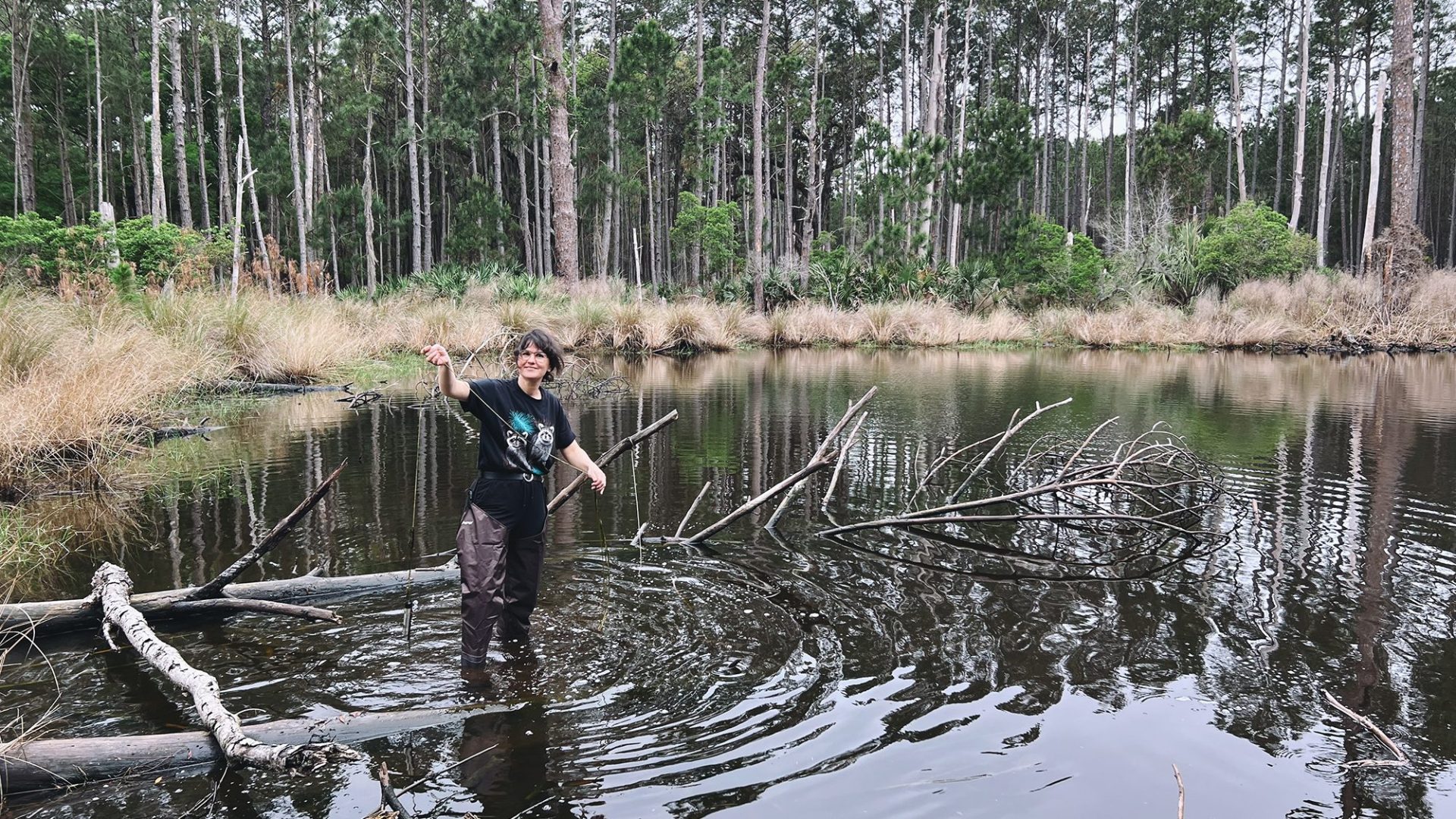
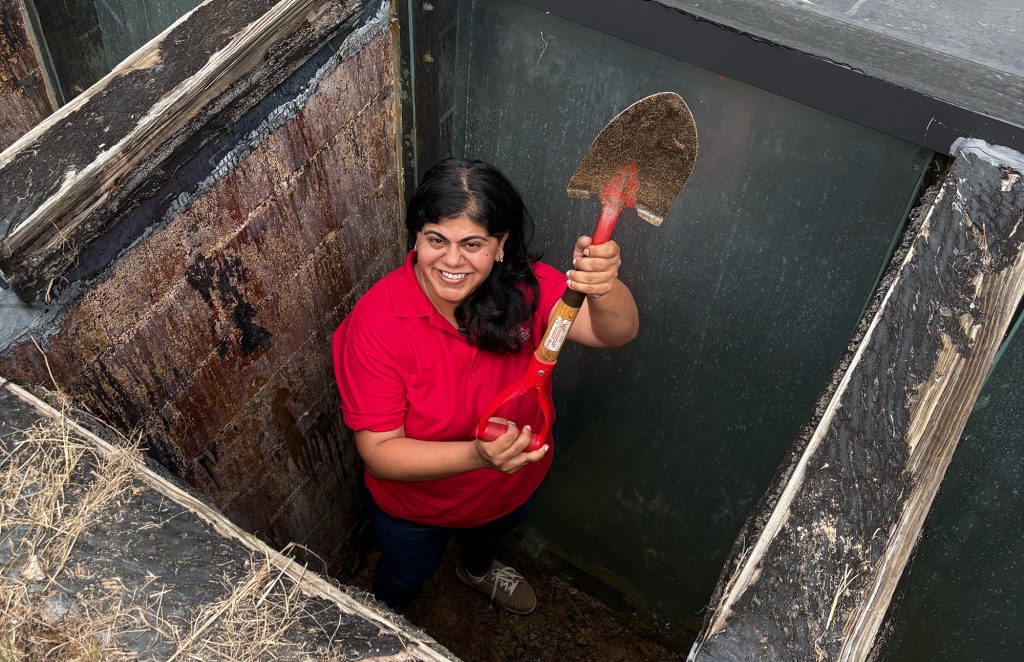
Charlotte Garing is a hydrogeologist – an area of study that requires her to have a broad background in physics, chemistry and engineering. Specifically, she concentrates on the processes that control the movement of water through geologic formations and soils.
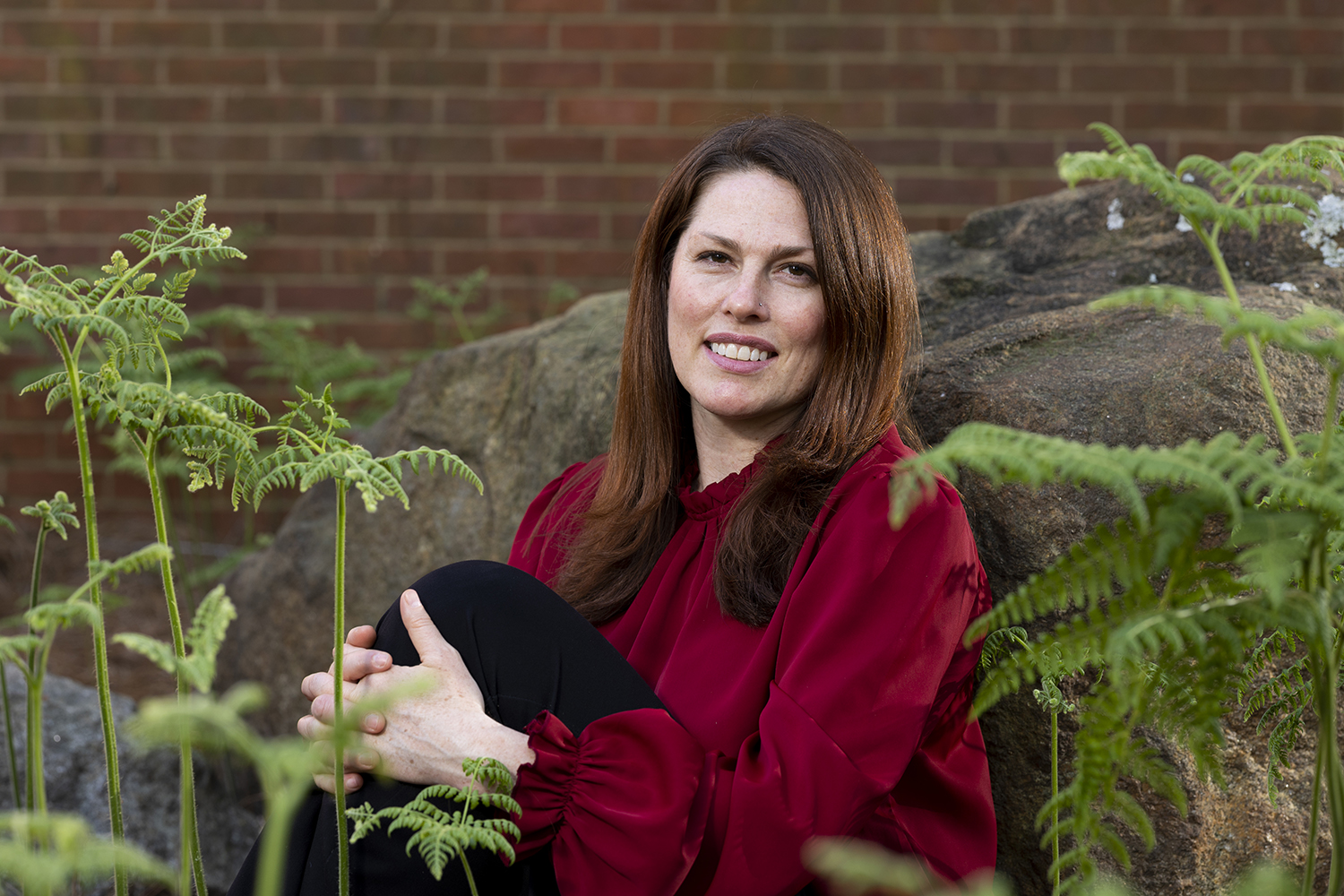
Krista Capps, Associate Director of the River Basin Center, recently brought together experts from across Northeast Georgia who work in different fields related to wastewater infrastructure to discuss current research, policy, and funding needs, future challenges, and potential solutions to emerging problems.
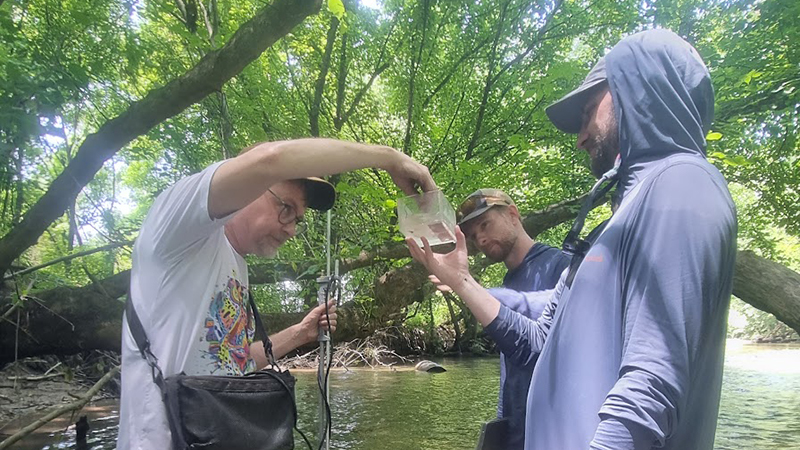
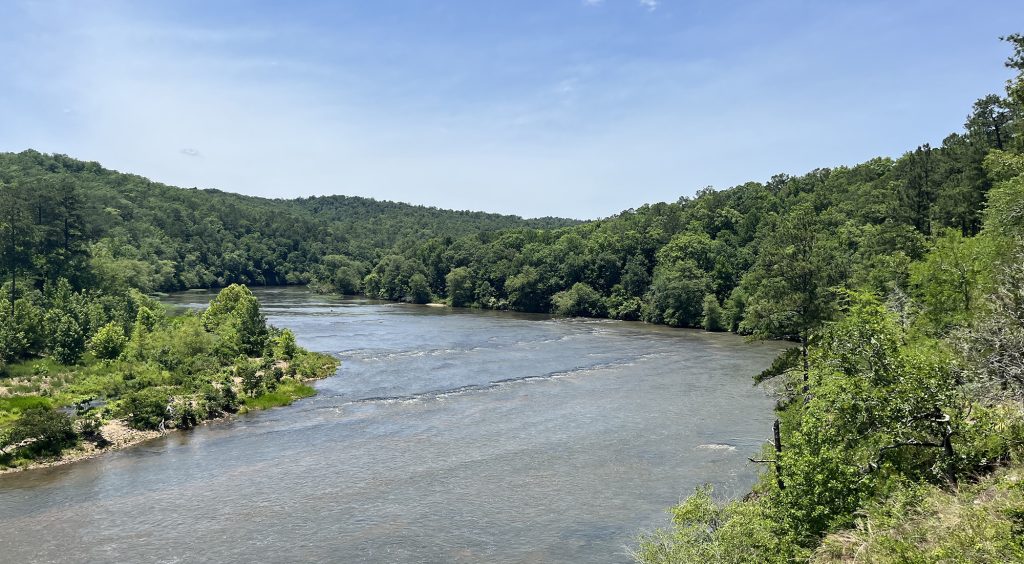
For several years, the River Basin Center has monitored Holly Creek near Chatsworth, a tributary to the Conasauga River, to evaluate the progress of long-term rehabilitation and restoration projects.
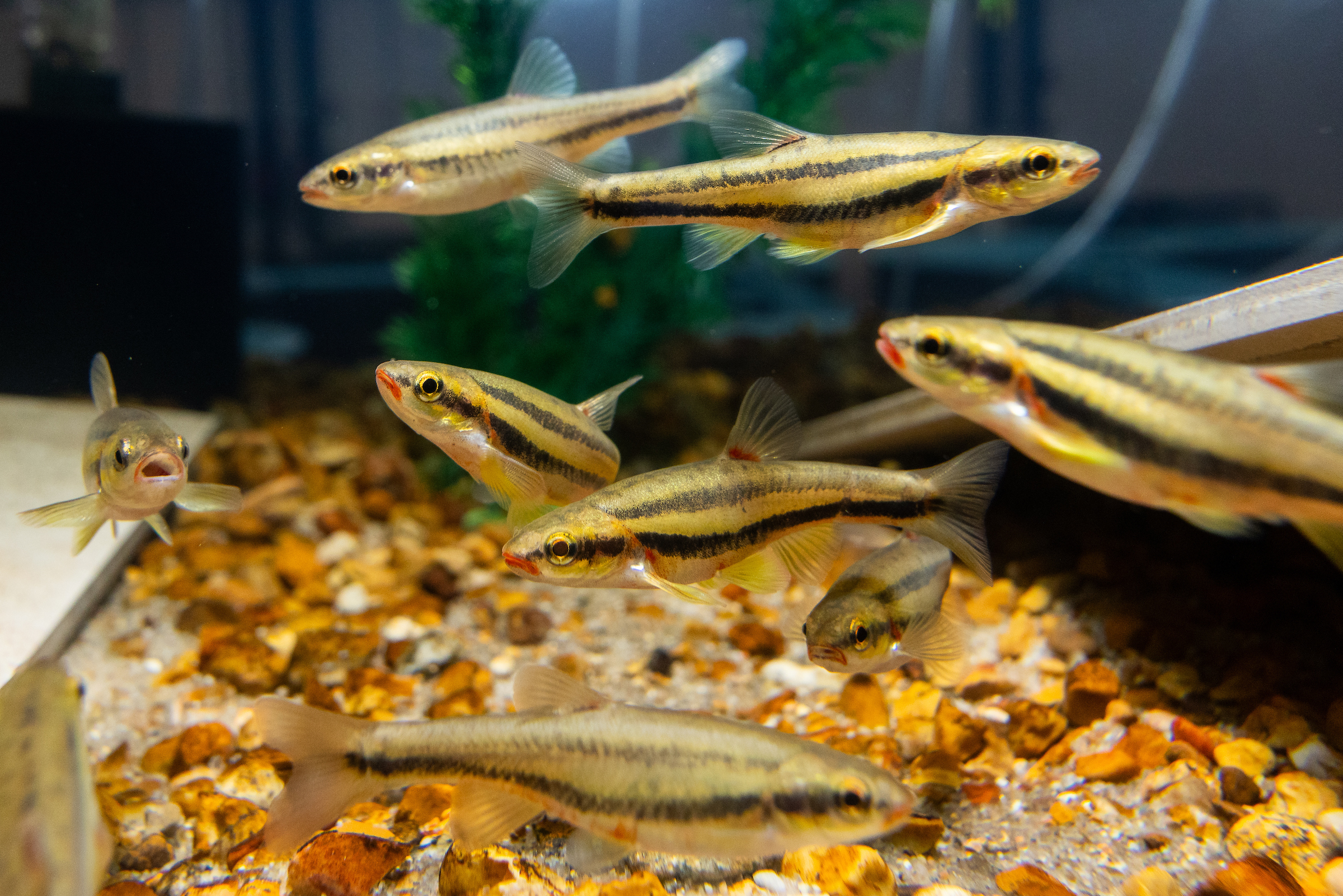
Last summer, a minnow called the laurel dace faced extinction when drought dried up the few streams where it lives in southeastern Tennessee. Conservation biologists rescued two populations to keep at the Tennessee Aquarium, and now two Odum School graduate students are working with other researchers and local residents to save the endangered fish.
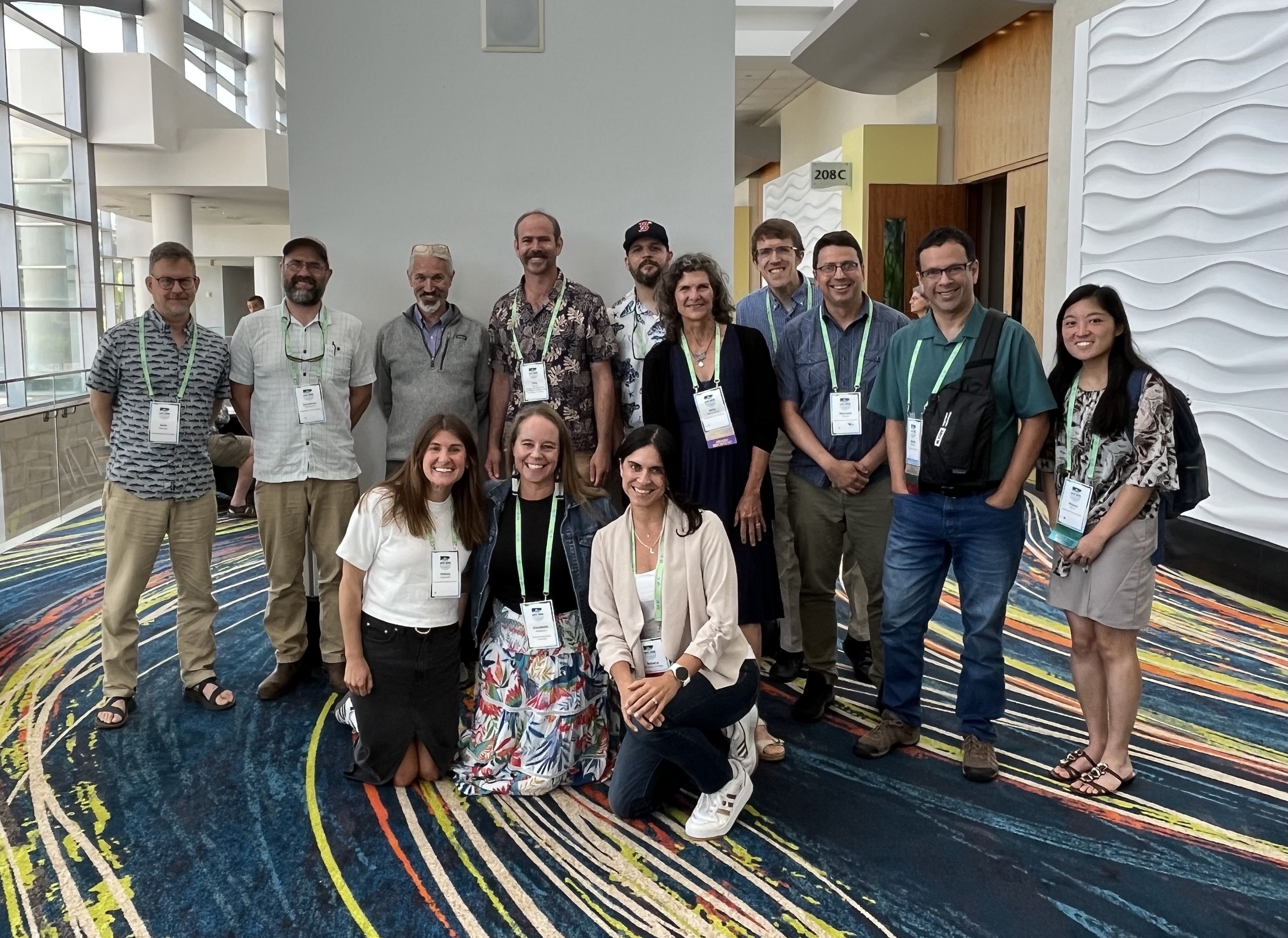
Amy Rosemond and Catherine Pringle were inducted into the Fellows of the Society for Freshwater Science at a recent meeting in Puerto Rico. Several members of the Pringle Lab also held a two-part panel discussion—“Hydrologic connectivity and watershed conservation: a session in honor of Dr. Cathy Pringle”— to highlight the knowledge amassed during 30 years of working with Pringle, who supervised 24 doctoral and 22 master’s students over her career.
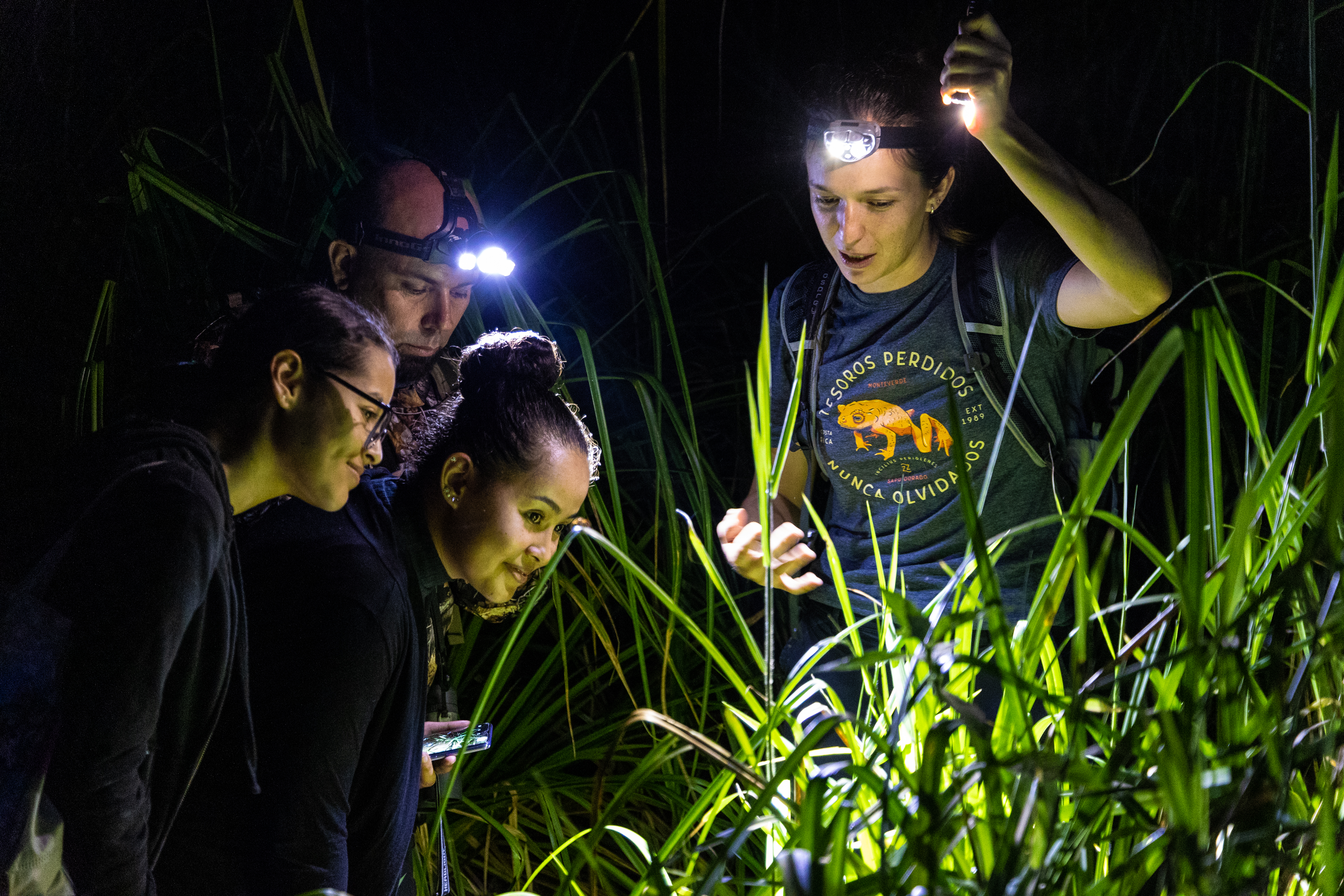
Valeria Aspinall was at the Tapir Valley Nature Preserve in northern Costa Rica the day an expert herpetologist declared that the tree frog living there is a distinct species, something that had not been recognized by science. Aspinall is now at the Odum School of Ecology working on a master’s degree with a Spencer Fellowship and conducting research that she hopes will protect the very rare, critically endangered frog, which has only been found in a 20-acre wetland within the larger nature reserve adjoining Tenorio Volcano National Park.