

Athens, Ga. – “Purified water,” “reused water,” “recycled water”—these terms mean exactly the same thing. Even though all three refer to water that’s been treated to the highest drinking water standards, research has shown that people much prefer the idea of consuming purified water to reused or recycled water. A recent study from a team of University of Georgia River Basin Center affiliates has for the first time put a dollar value on that preference.
The Land Conservation Clinic and the River Basin Center have released the updated Local Wetlands Protection Primer, a guide to help protect wetlands that provide flood prevention, water quality improvements, protection from erosion, support for fisheries and biodiversity, and opportunities for recreation activities.
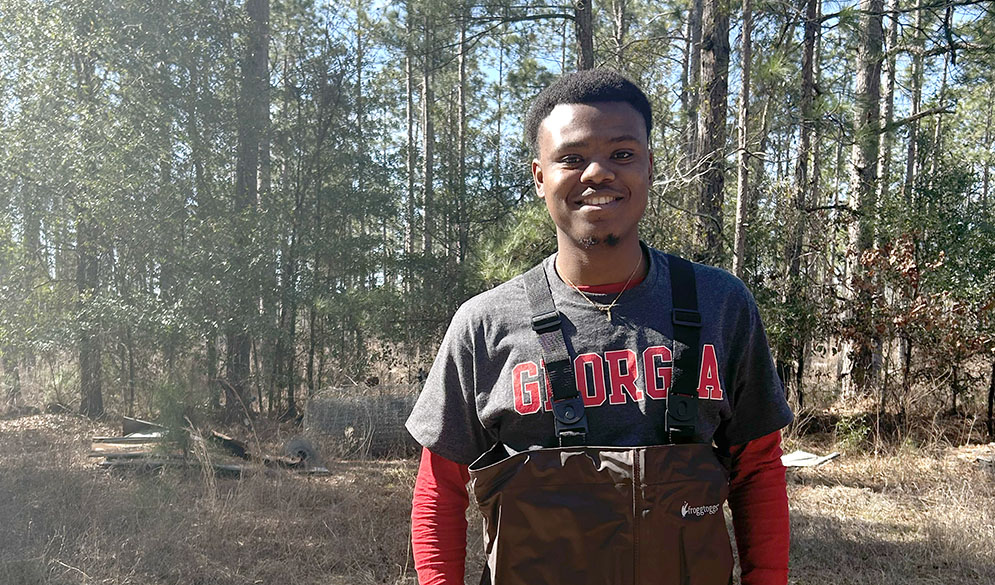
As an undergrad at the University of Benin in Nigeria, Justin Jimawo studied tropical zooplankton, the tiny organisms that live near the surface of streams and ponds.
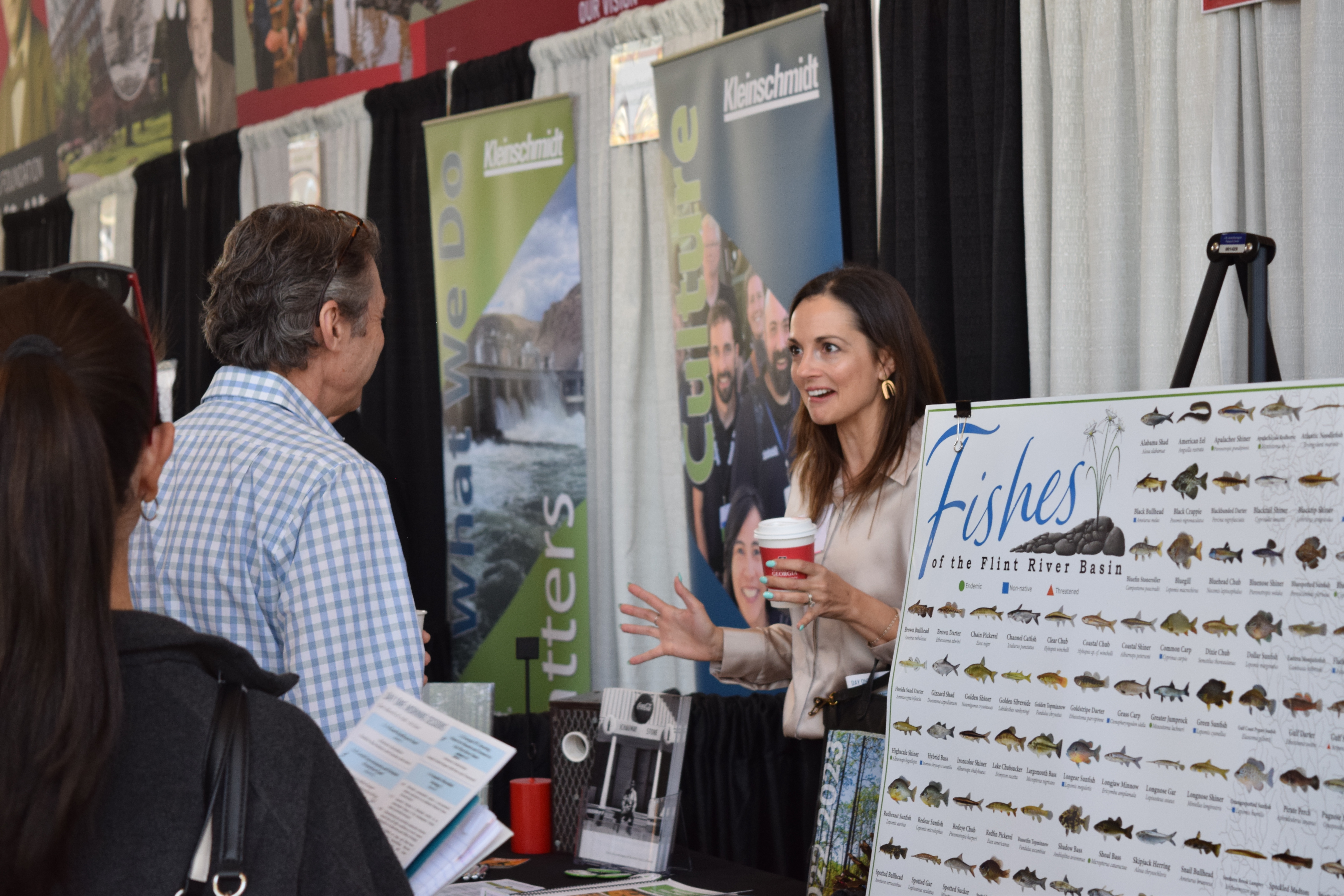
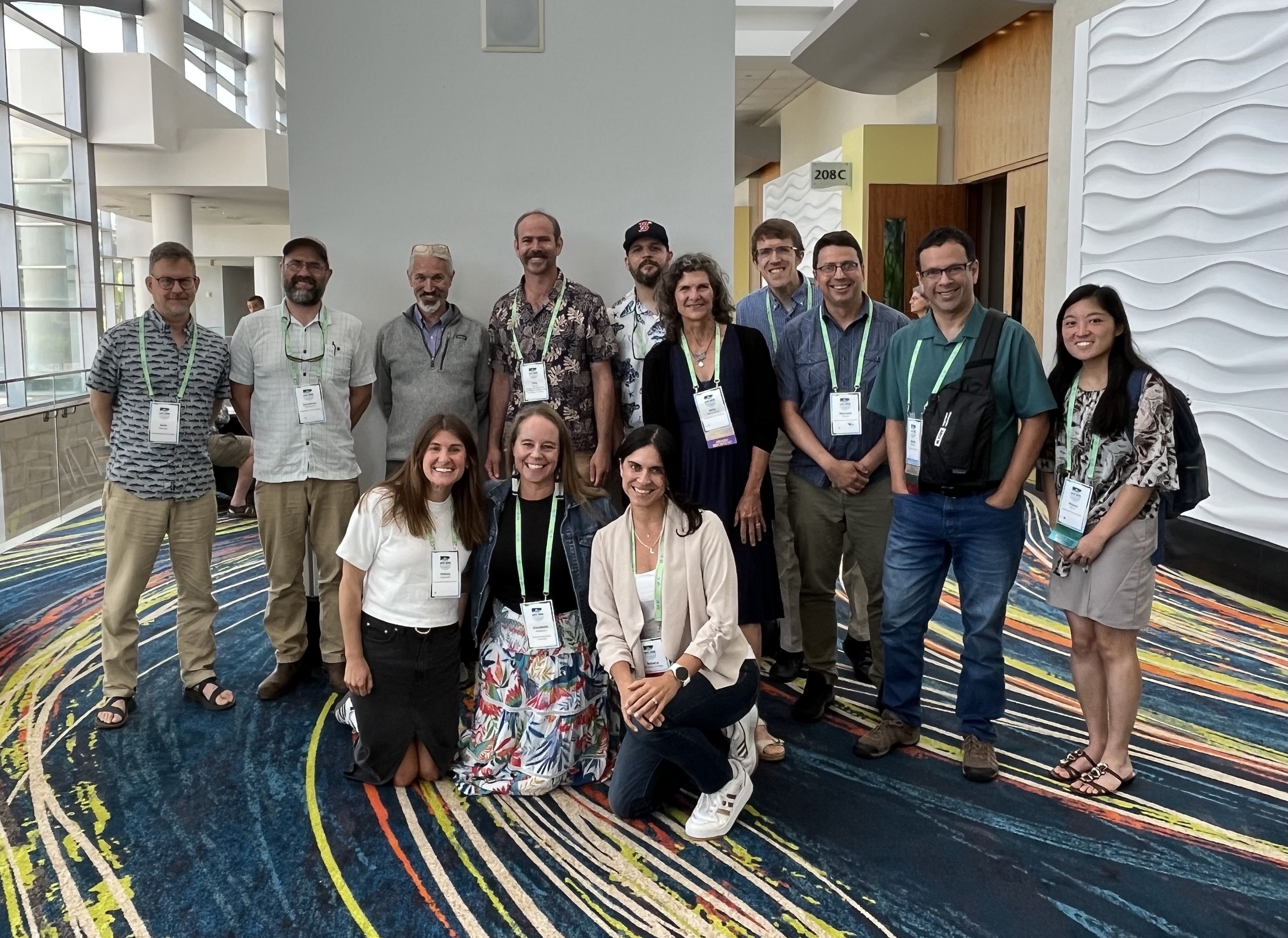
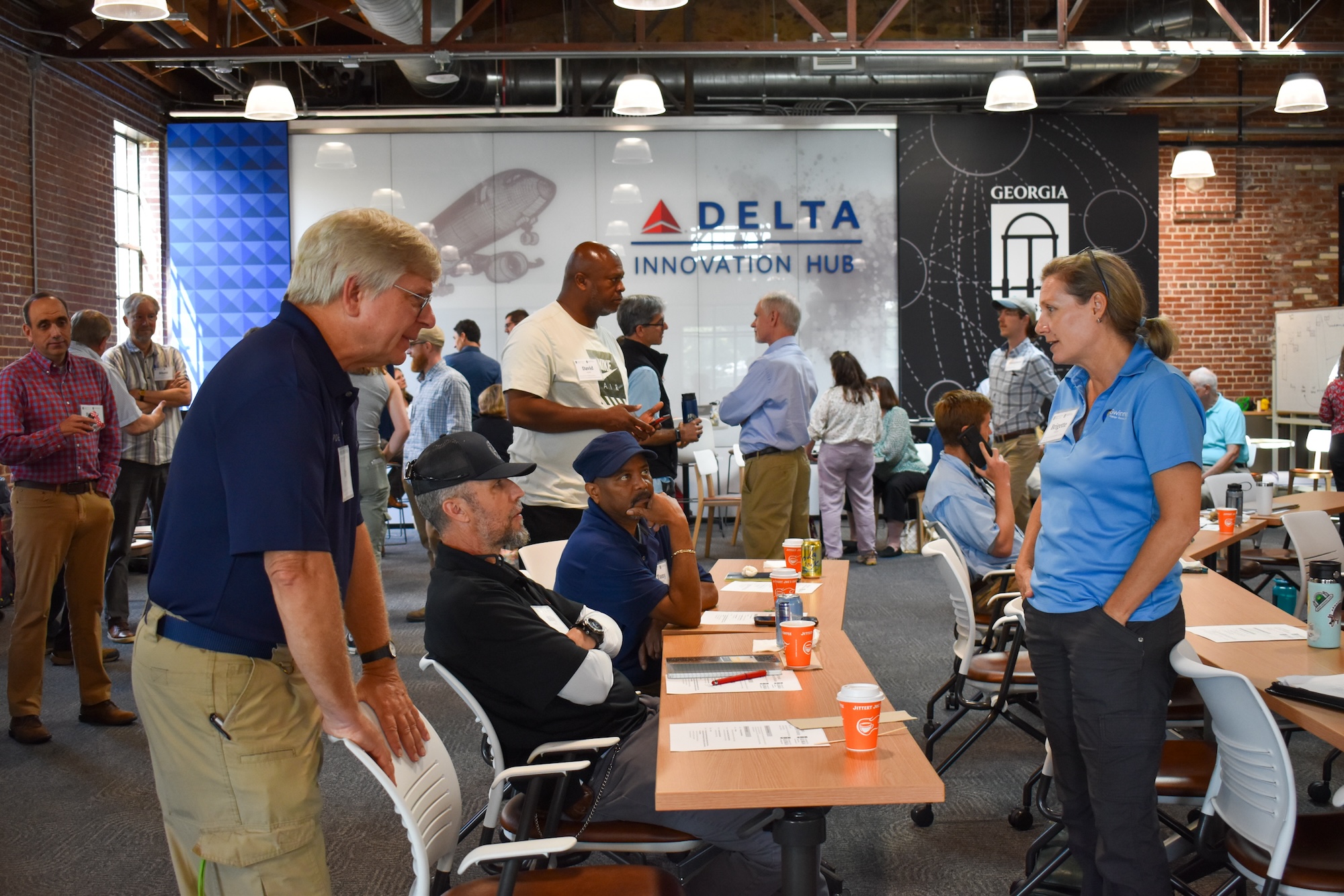
ATHENS, GA – Interdisciplinary knowledge is a critical aspect of solving big environmental problems. That’s why, for the 2025 Georgia Water Resources Conference, we brought everyone together. We do mean everyone: ecologists, hydrologists, engineers, geoscientists, lawyers, anthropologists, consultants and certified fish enthusiasts.
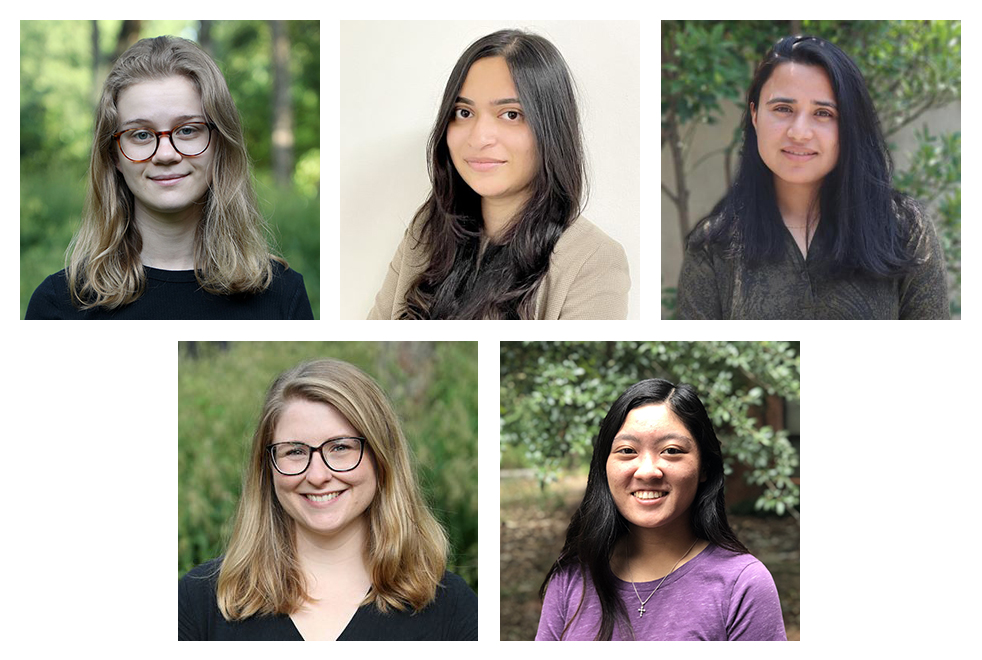
Athens, Ga. – Six graduate student affiliates of the River Basin Center have been named recipients of John Spencer research grants for 2025. This year’s awards will provide a total of $10,000 to support a range of projects that contribute to water sustainability and resilience across the southeastern United States and beyond.
Few resources are as vital as water. But as human activity continues to shape urban rivers, that refreshing dip in the stream, summer kayaking trip, or glass of ice water can be harder to achieve. This is why every year, on March 22, we observe World Water Day: a tradition started by the United Nations in 1993 to highlight the importance of clean, accessible water. Sustainable water management is important not just for the environment, but for the 8.2 billion people that rely on water.
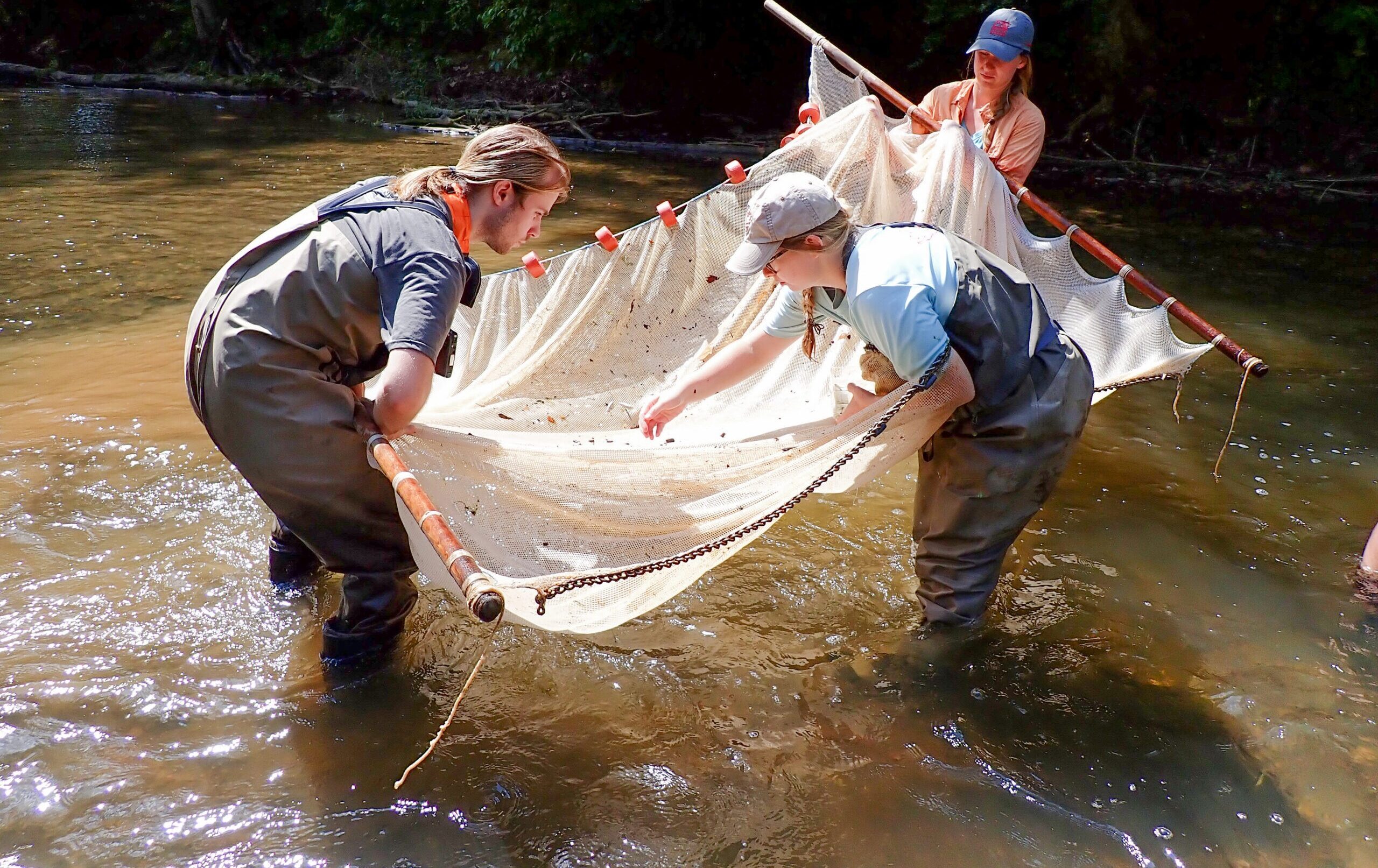
Something “clicked” for Mackenzi Hallmark while doing fieldwork in northwest Georgia.
The current Odum School of Ecology graduate student and 2024 James E. Butler Fellow was measuring water quality in the Etowah and Conasauga rivers, part of her role as a research technician for the school’s River Basin Center (RBC). She became enamored with the biodiversity she encountered, from freshwater mussels to fish species like the amber darter.
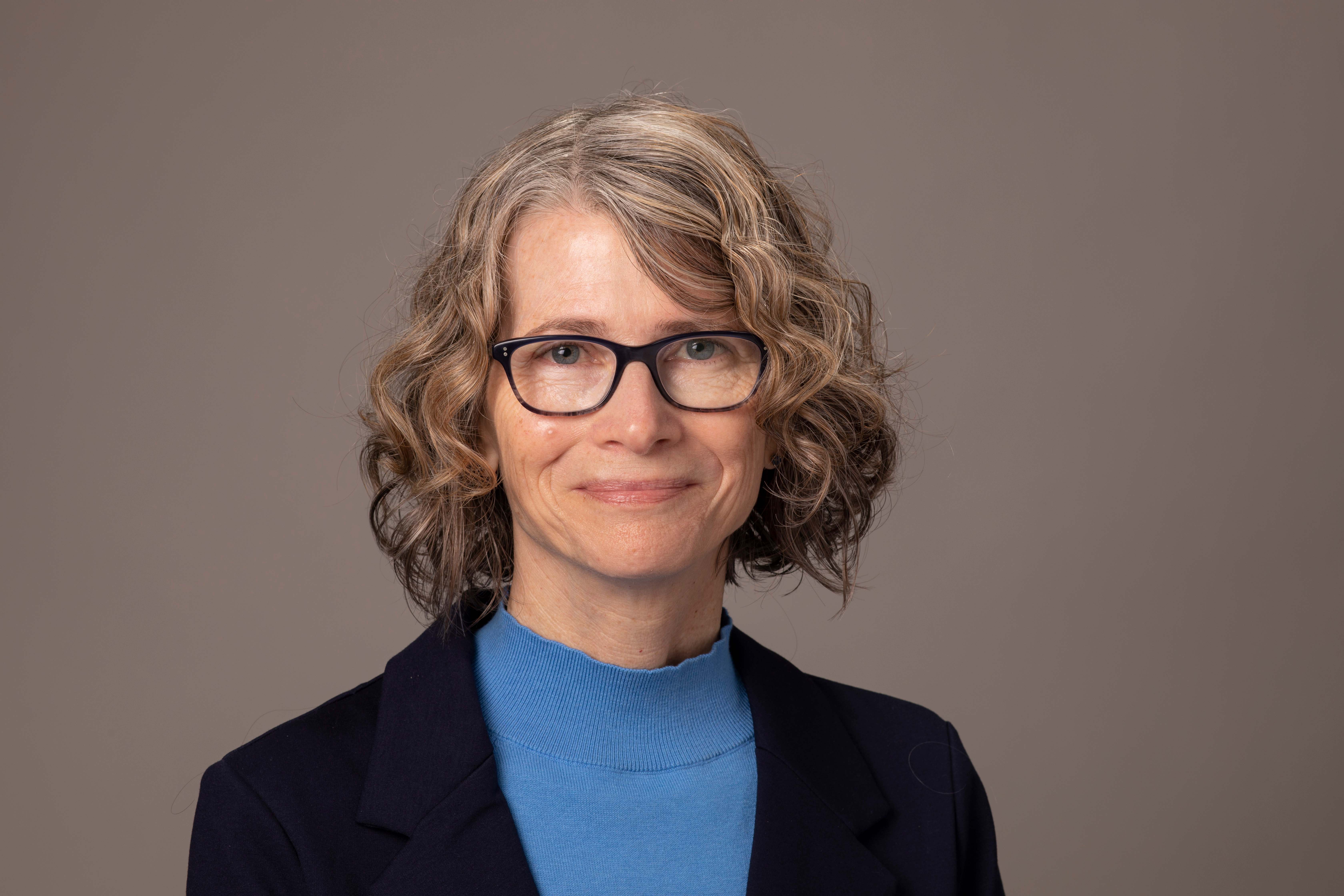
When the idea of a clinic bringing ecology and law students together to serve as support for land conservation efforts was introduced, there wasn’t anything
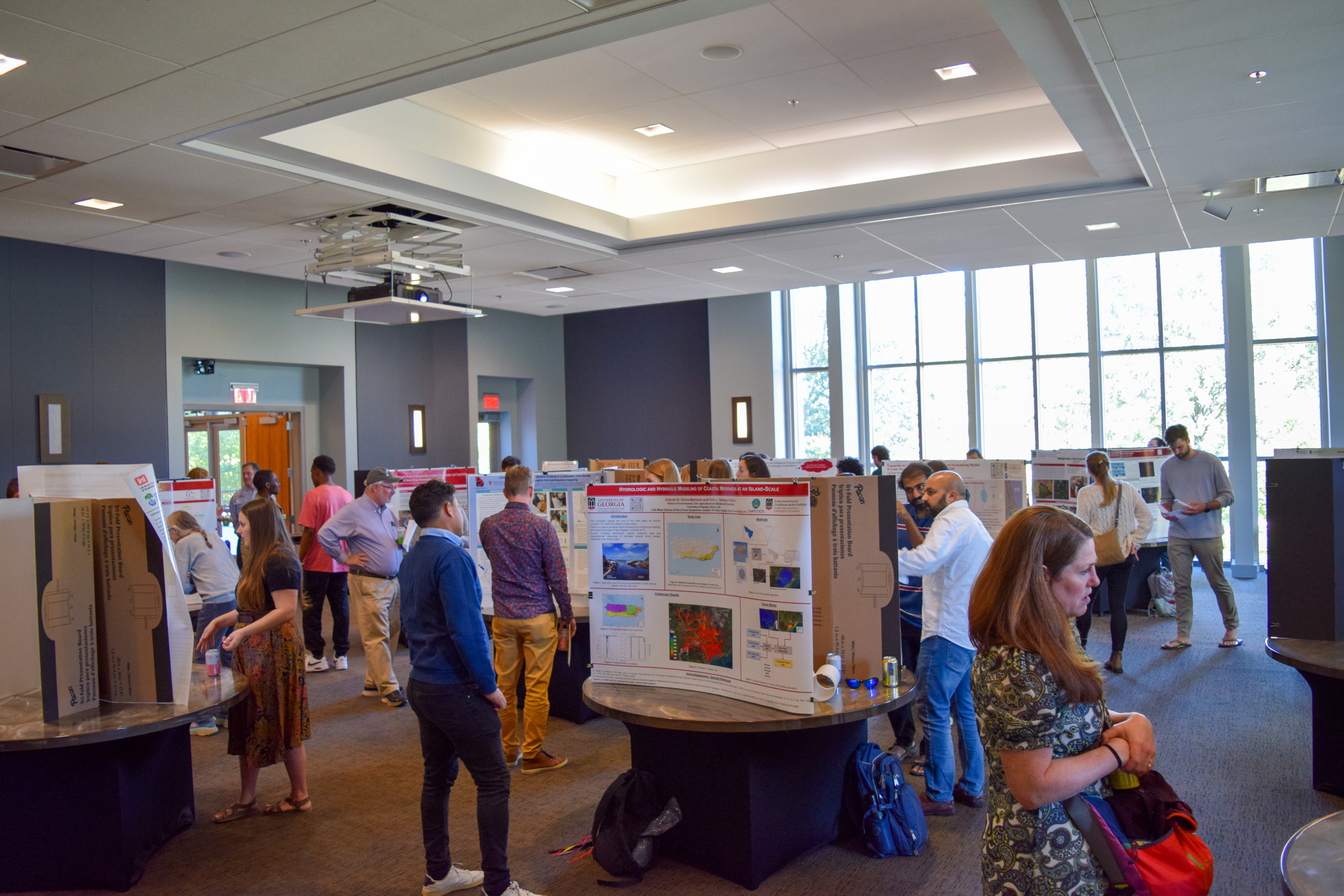
On Friday, Oct. 18, the River Basin Center hosted its second annual water science and policy poster symposium, Confluence, at the Richard B. Russell Special Collections Library. This year featured 29 posters from graduate students across disciplines, including the College of Engineering, Odum School of Ecology, Warnell School of Forestry & Natural Resources, College of Agriculture & Environmental Sciences, Crop and Soil Sciences, Agriculture Leadership, Education & Communication, Agricultural and Applied Economics, College of Environment and Design, Institute for Resilient Infrastructure Systems, Departments of Geology, Geography and Anthropology.
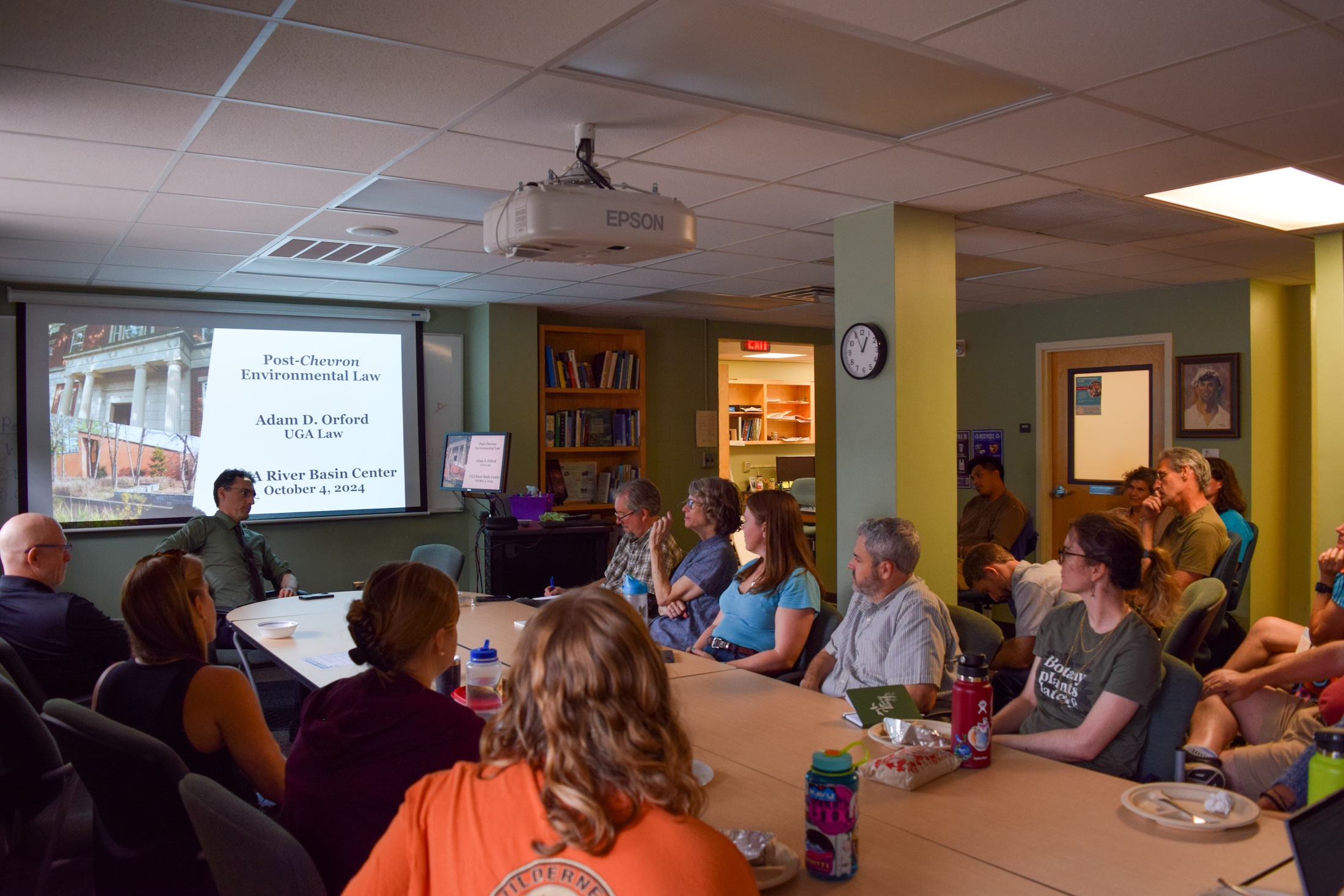
In 1984, the Supreme Court made a critical decision on the powers of federal agencies: where statutes set by legislation are clear, agencies must follow the direct statute, and where statutes are not fully clear, agencies are allowed the freedom of “reasonable interpretations.” This deference to agency expertise is the legal foundation of many important regulations, from managing endangered species to setting limits on pollution to protecting food safety, as it allows agency experts to set specific rules around a law’s general direction. Forty years later, that deference has been revoked, severely curtailing the powers of federal agencies like the Environmental Protection Agency (EPA).
So… what now?