

Something “clicked” for Mackenzi Hallmark while doing fieldwork in northwest Georgia.
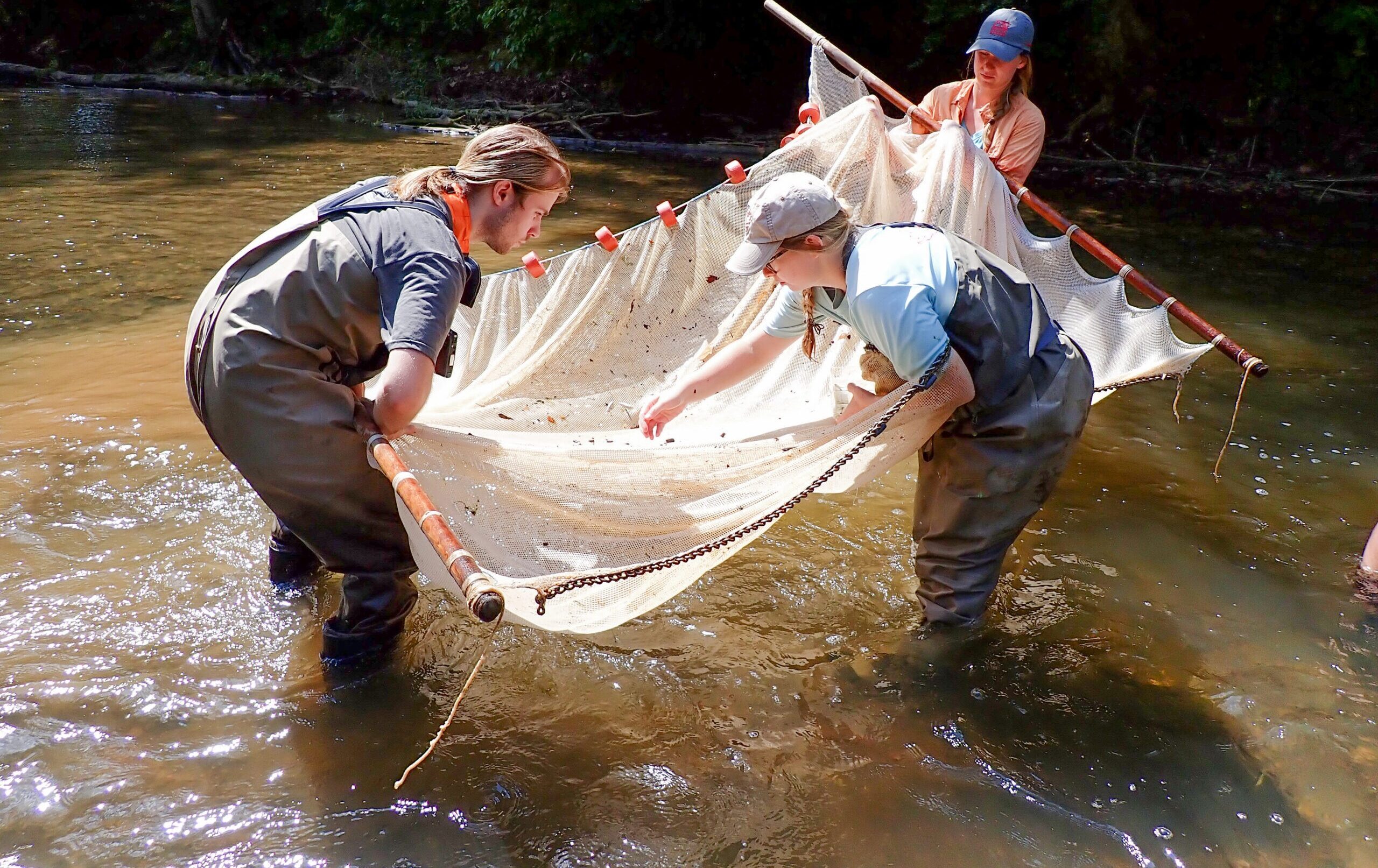
The current Odum School of Ecology graduate student and 2024 James E. Butler Fellow was measuring water quality in the Etowah and Conasauga rivers, part of her role as a research technician for the school’s River Basin Center (RBC). She became enamored with the biodiversity she encountered, from freshwater mussels to fish species like the amber darter.

When the idea of a clinic bringing ecology and law students together to serve as support for land conservation efforts was introduced, there wasn’t anything
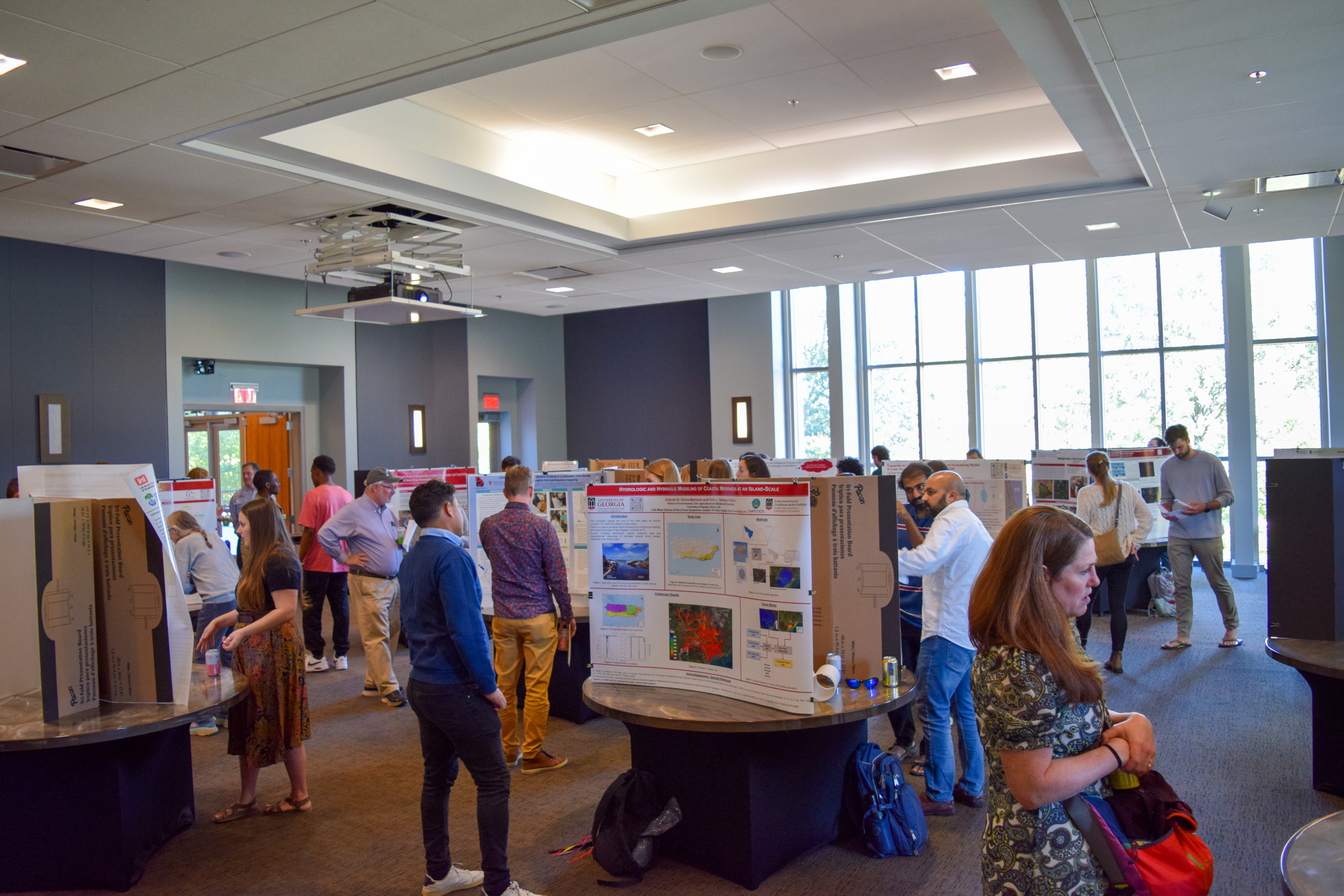
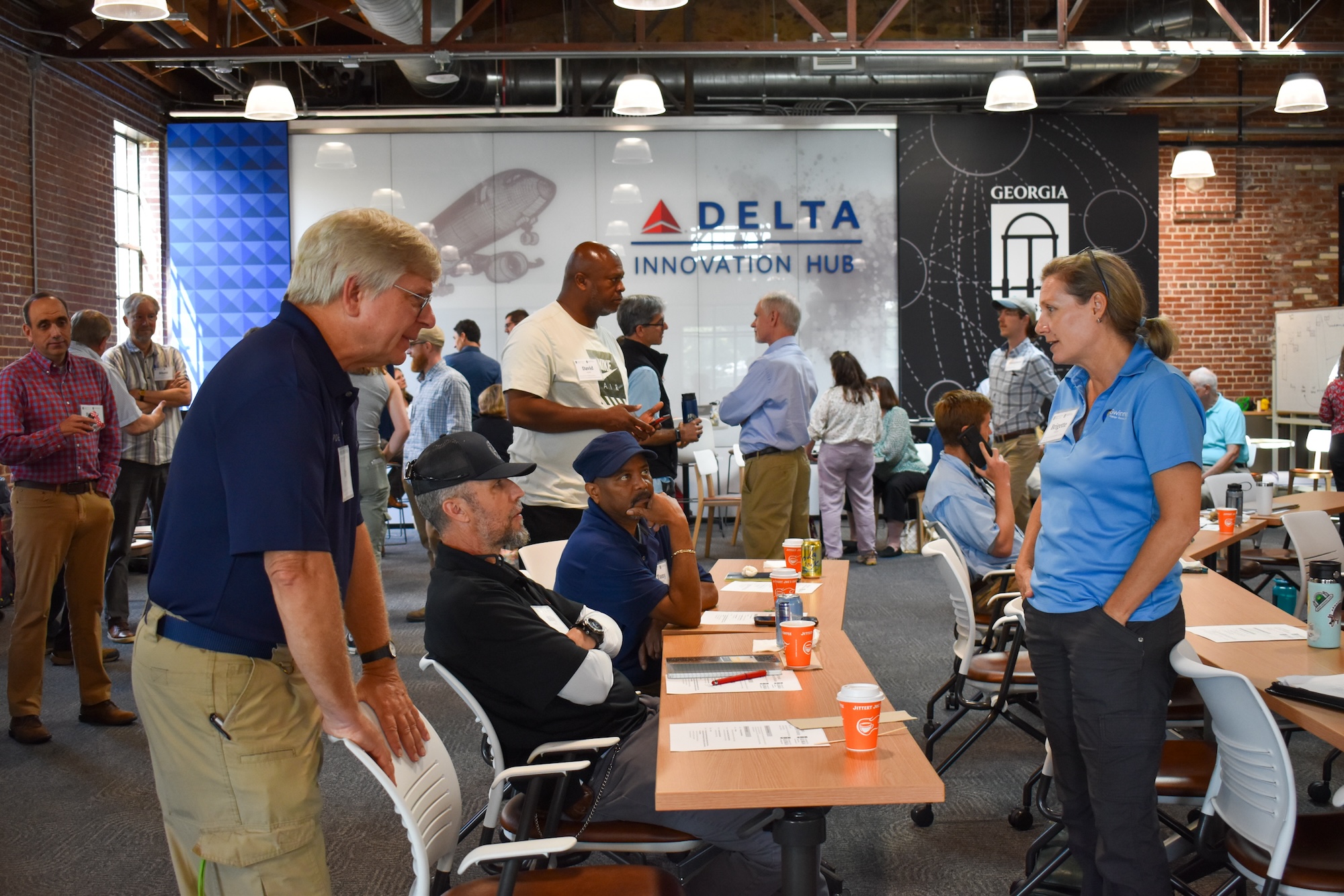
On Friday, Oct. 18, the River Basin Center hosted its second annual water science and policy poster symposium, Confluence, at the Richard B. Russell Special Collections Library. This year featured 29 posters from graduate students across disciplines, including the College of Engineering, Odum School of Ecology, Warnell School of Forestry & Natural Resources, College of Agriculture & Environmental Sciences, Crop and Soil Sciences, Agriculture Leadership, Education & Communication, Agricultural and Applied Economics, College of Environment and Design, Institute for Resilient Infrastructure Systems, Departments of Geology, Geography and Anthropology.
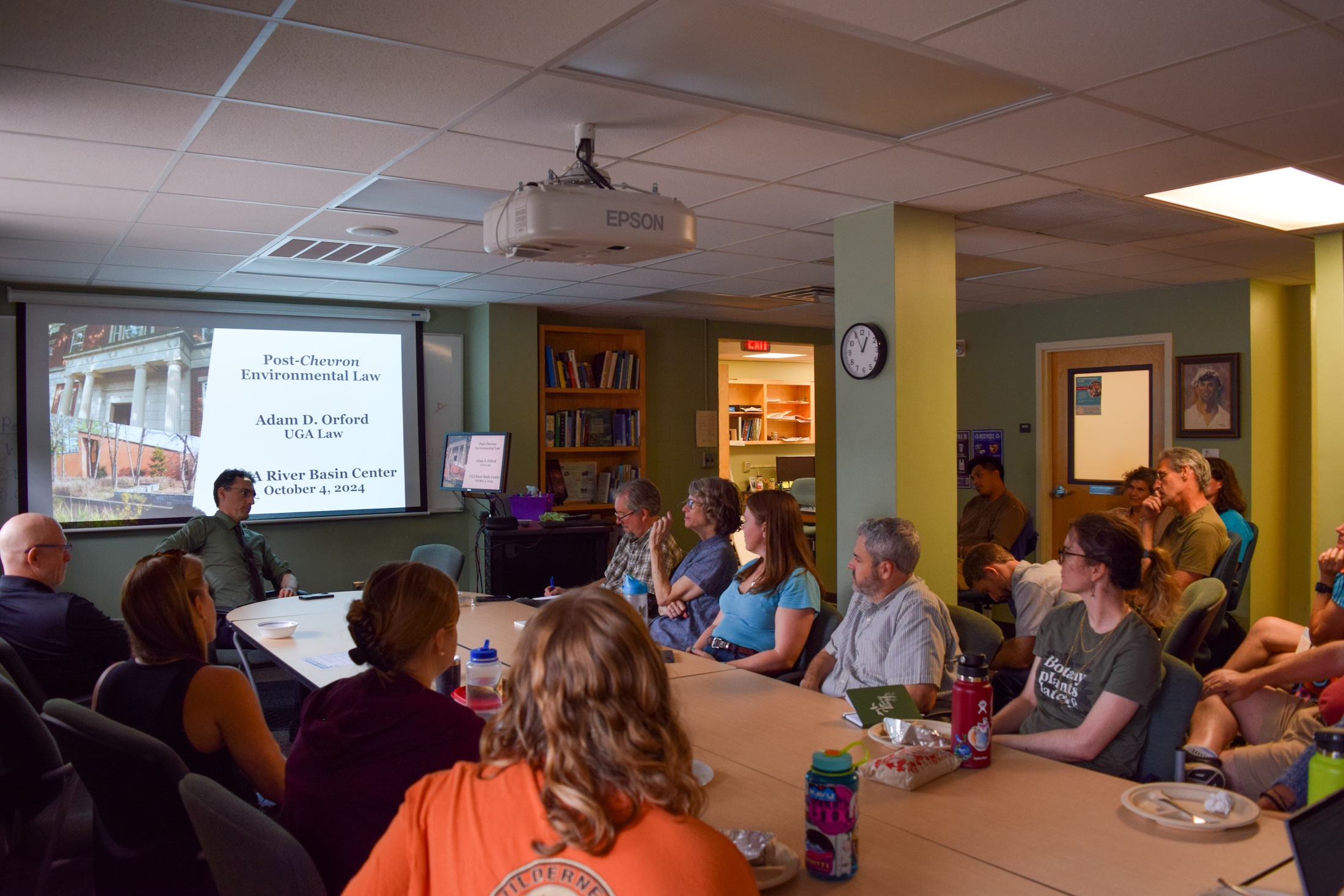
In 1984, the Supreme Court made a critical decision on the powers of federal agencies: where statutes set by legislation are clear, agencies must follow the direct statute, and where statutes are not fully clear, agencies are allowed the freedom of “reasonable interpretations.” This deference to agency expertise is the legal foundation of many important regulations, from managing endangered species to setting limits on pollution to protecting food safety, as it allows agency experts to set specific rules around a law’s general direction. Forty years later, that deference has been revoked, severely curtailing the powers of federal agencies like the Environmental Protection Agency (EPA).
So… what now?
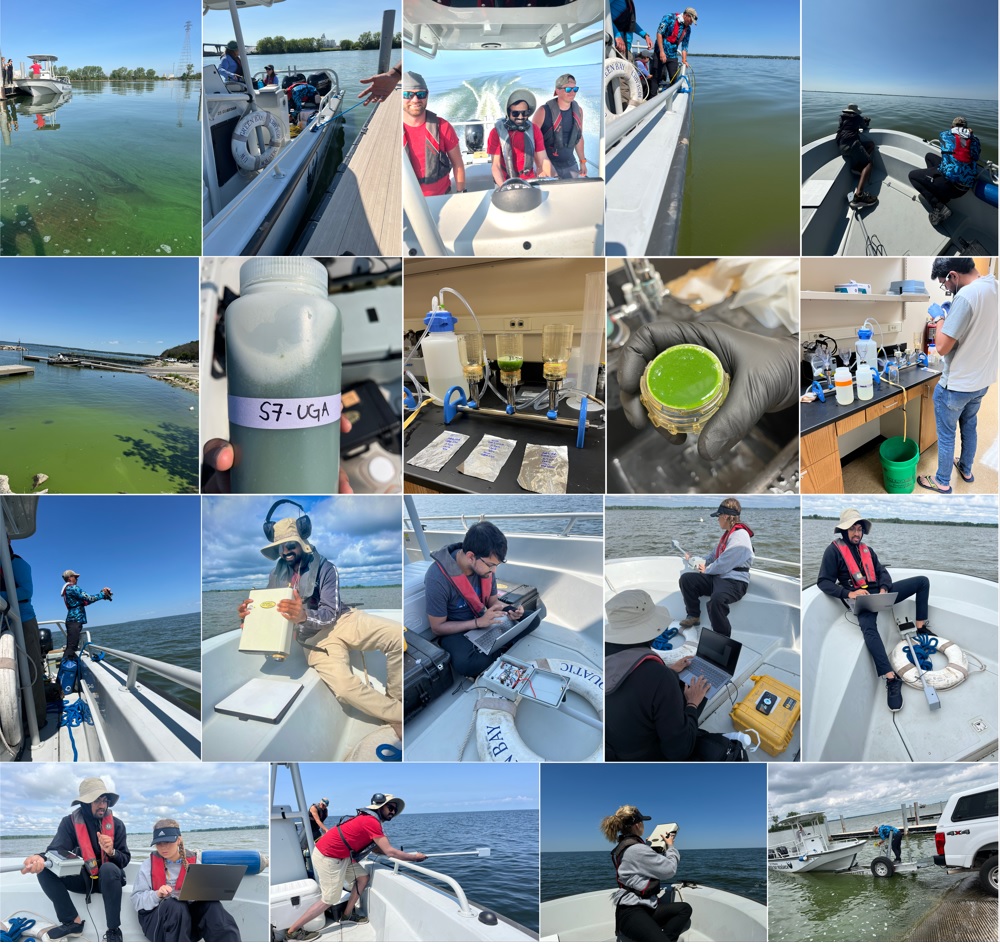
RBC Affiliate, Professor and Associate Head of the Department of Geography and the Director of the Small Satellite Research Lab Deepak Mishra has begun large-scale field studies with the CyanoTRACKER Project. Mishra is the P.I. of the project, which uses a combination of community reports, remote sensing data and imaging to identify harmful cyanobacteria in bodies of water.
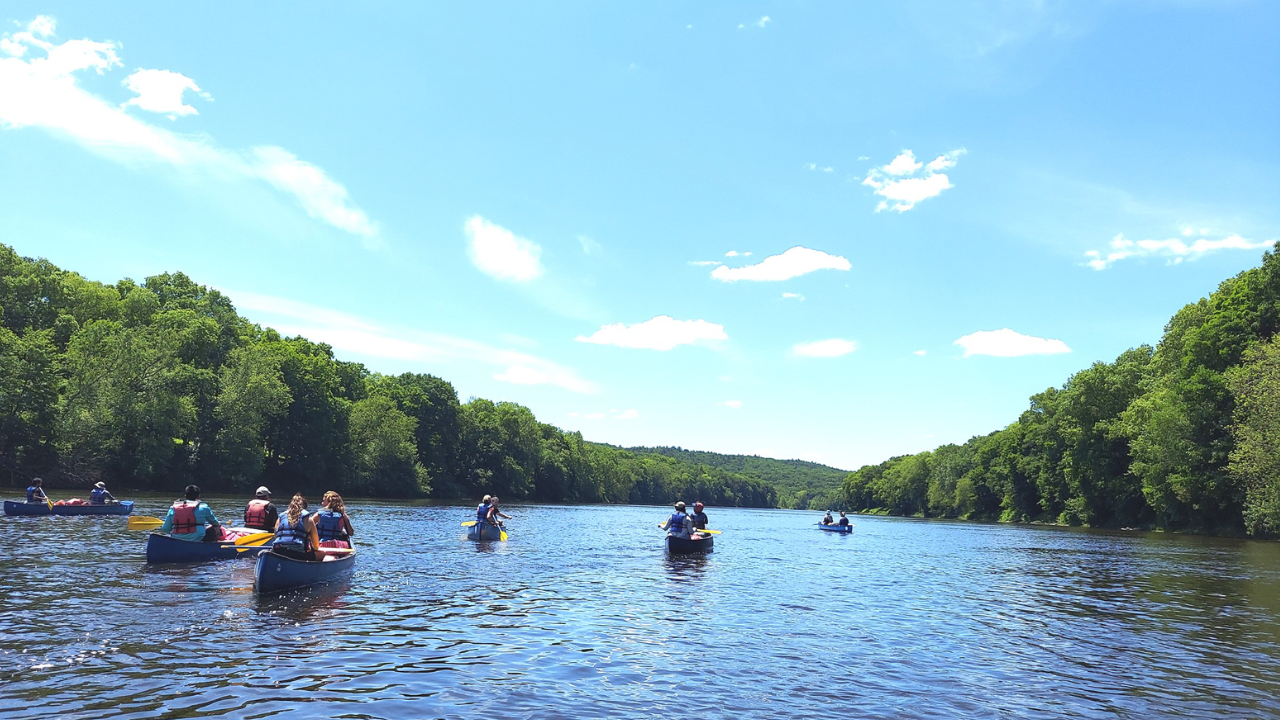
RBC affiliate and Odum School of Ecology Foundation professor Amy Rosemond started the Emerge Program five years ago, with of increasing diversity in freshwater science. The program has since sent its students across the globe in the name of adventure, science, and inclusivity.
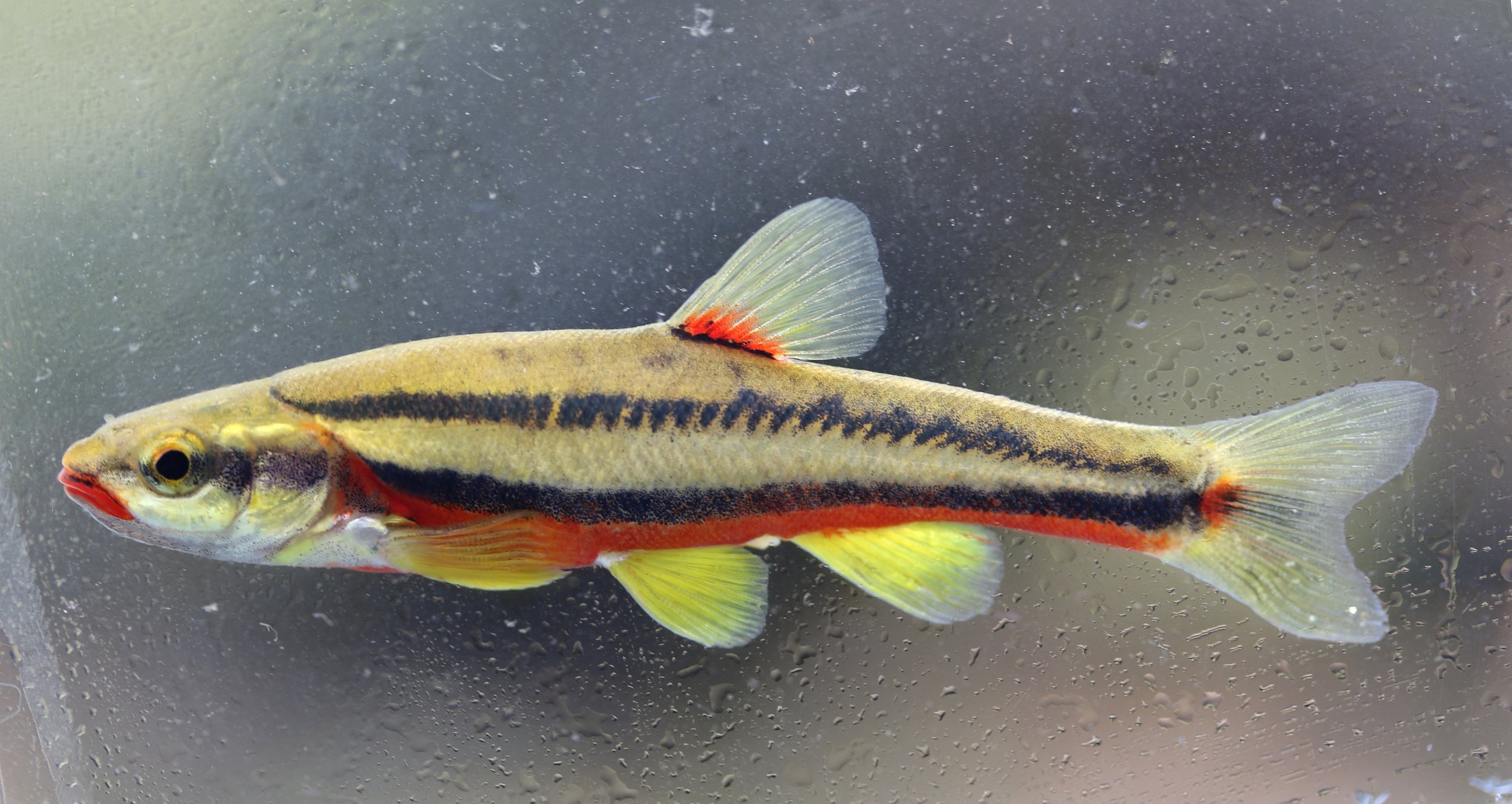
This summer, researchers from the River Basin Center assisted the Tennessee Aquarium Conservation Institute (TNACI) in rescuing one of the last populations of the Laurel Dace, an endangered minnow species, from a drying stream in Tennessee. The rescue, conducted in collaboration with the US Fish and Wildlife Service, has since attracted media attention from multiple Chattanooga news outlets as well as Pattrn, an affiliate of The Weather Channel that covers climate change and conservation.
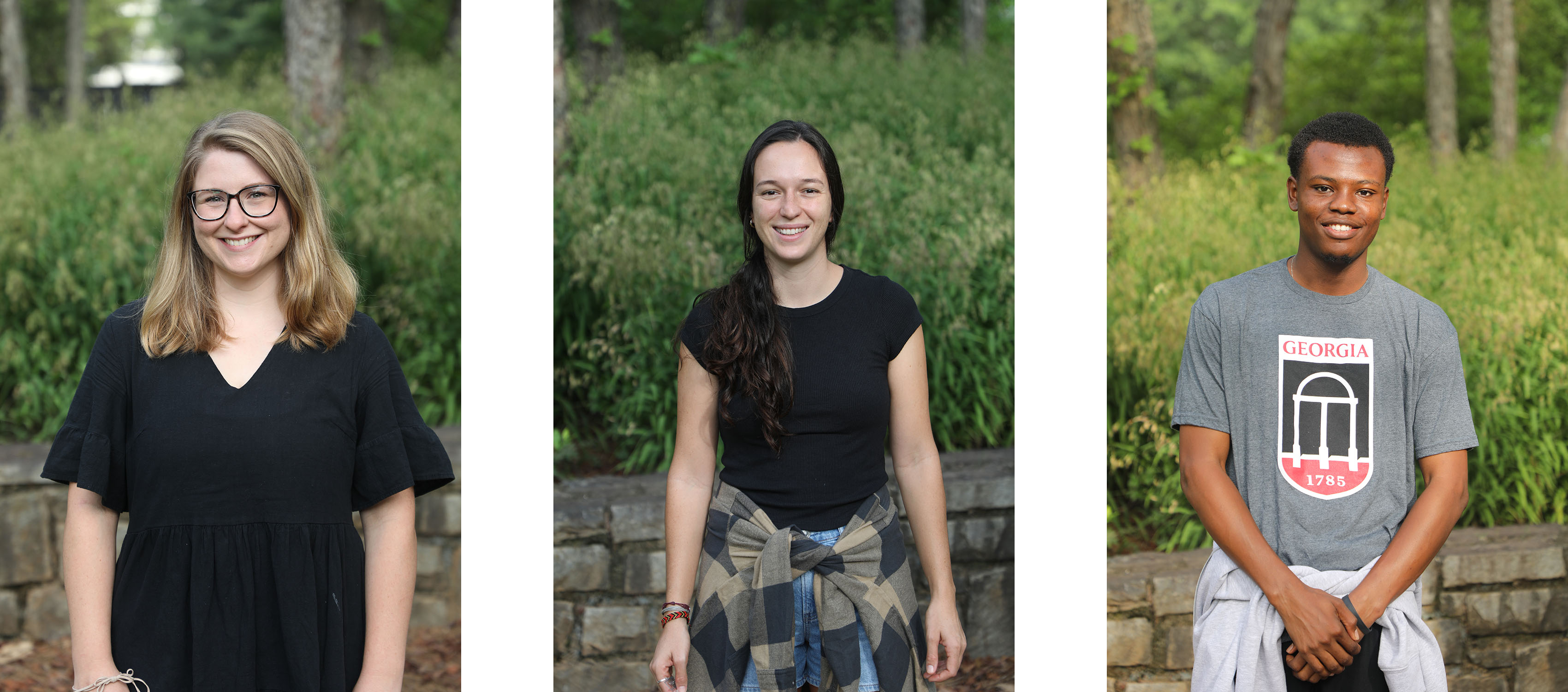
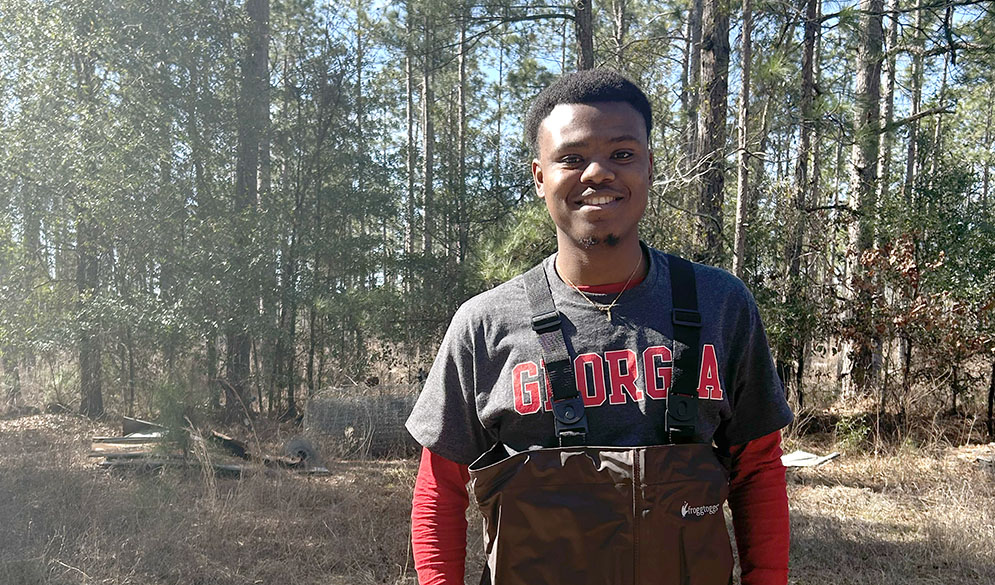
The River Basin Center has named Justin Jimawo and Valeria Aspinall this year’s Spencer Fellows, and Mackenzi Hallmark this year’s Butler Fellow. The John Spencer Fellowship was created by family and friends to honor the legacy of the late John Spencer, a graduate student at the Odum School of Ecology. The Butler Fellowship was established by James E. Butler, Jr., a Columbus attorney who gifted $1 million to what was then the Institute of Ecology in 2006.
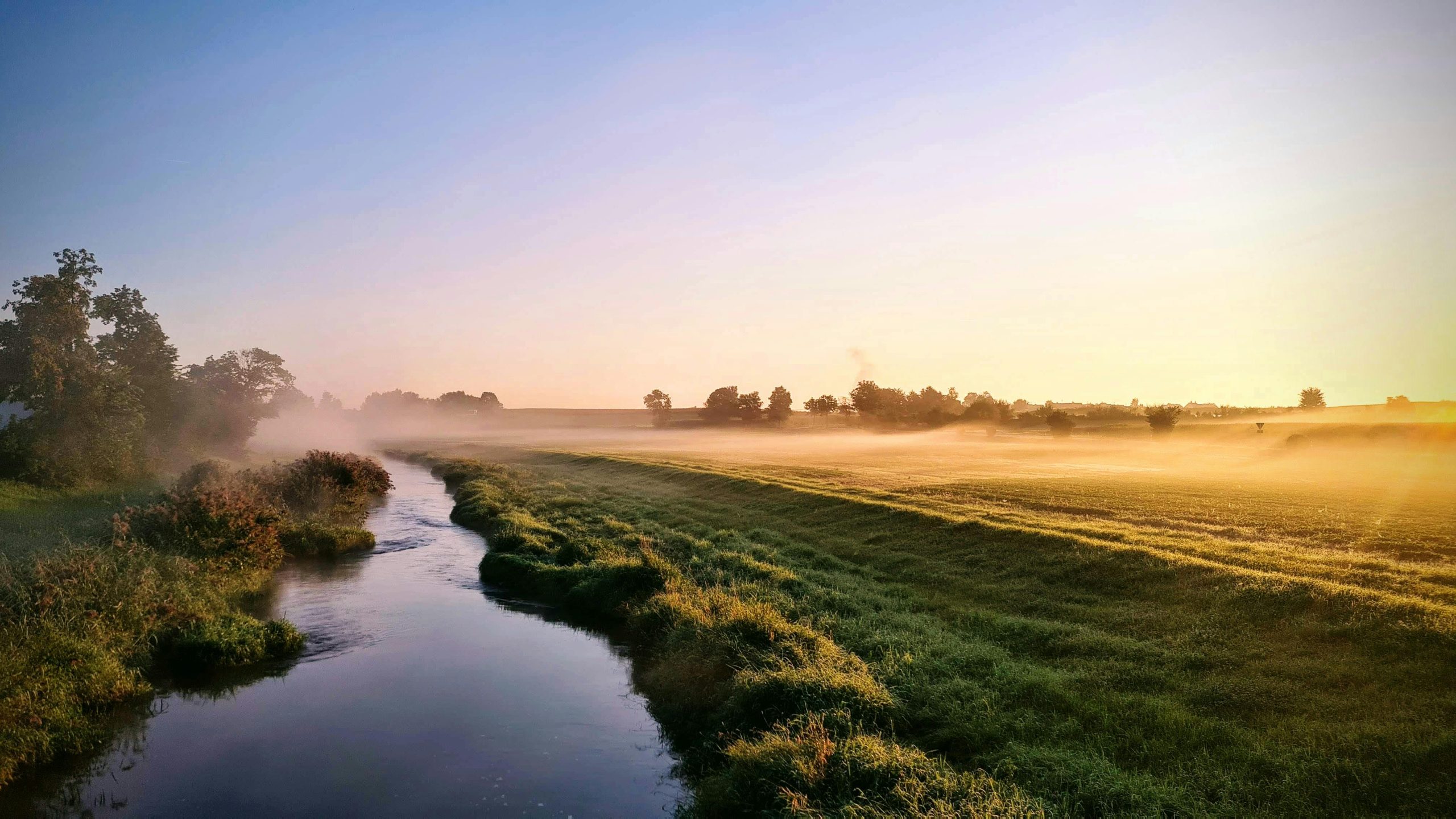
A new study authored by RBC affiliate Charles Van Rees was published in WIREs Water, discussing ways to maximize the benefits of levee setbacks, a form of natural infrastructure that allows for more effective conservation of riverine ecosystems.
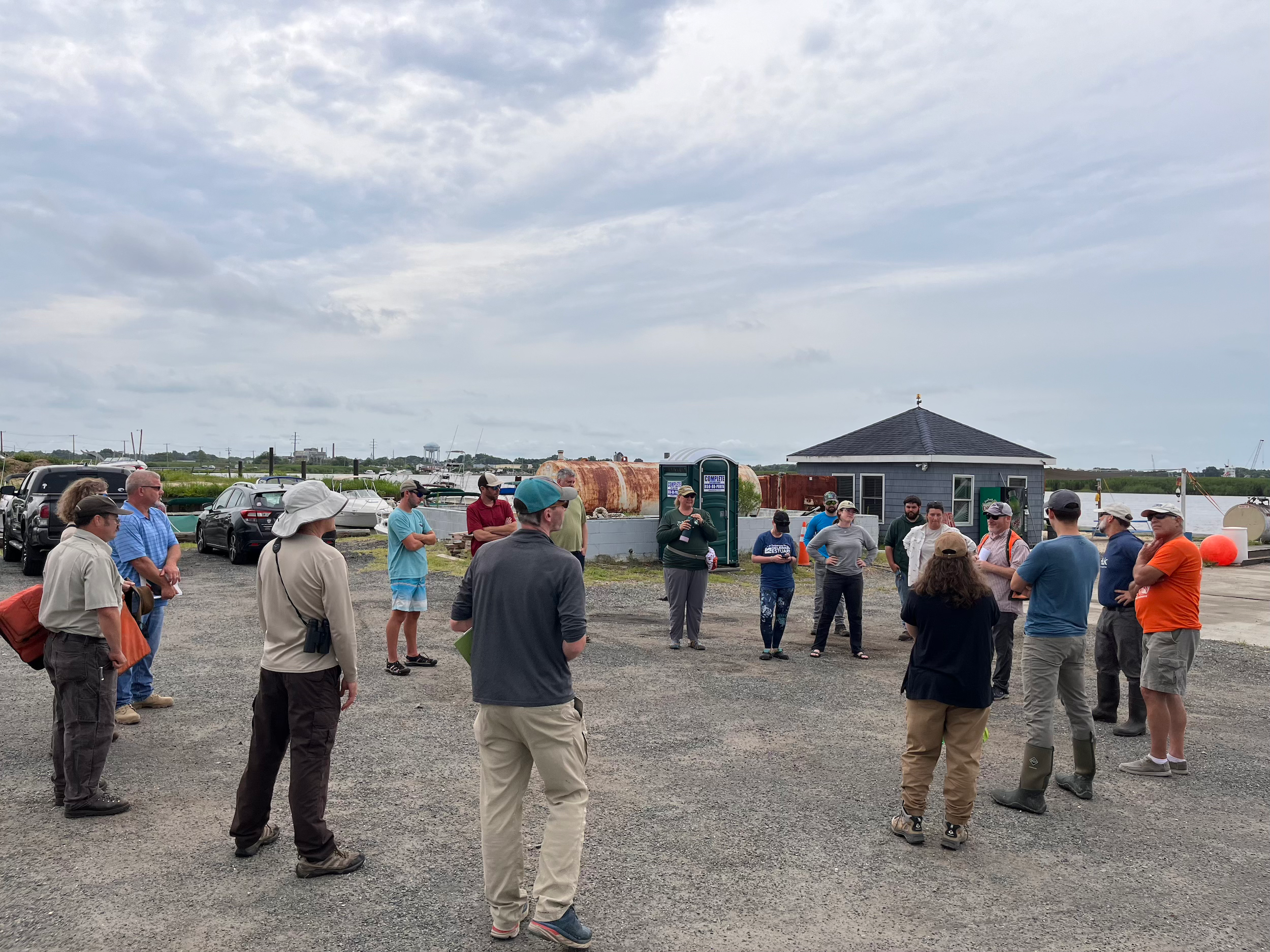
RBC Affiliate Rhett Jackson collaborated with number of conservation organizations, including The Nature Conservancy and NOAA, to chart a path forward for the continuing restoration of Mannington Meadows, a heavily eroded New Jersey wetland that serves as critical habitat for many bird species, including bald eagles.