




Please join us for the 8th Annual John K. Spencer Memorial 5K Run & Walk at 8 a.m., Feb. 10, 2024, starting at the Odum School of Ecology.

The UGA Teaching Academy inducted 16 new members on Nov. 9, including Associate Director Krista Capps.
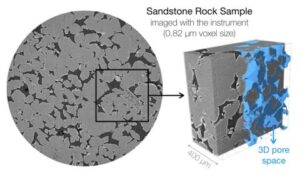
Dr. Charlotte Garing has been awarded a grant of $1,177,779 from the Major Research Instrument program of the National Science Foundation.
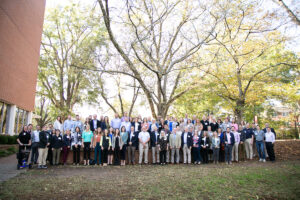
UGA’s IRIS hosted its first Industry Summit on Nature-based Solutions. IRIS director and RBC affiliate Brian Bledsoe participated. The Summit brought together over 100 leaders from across fifty private sector organizations to identify the challenges and opportunities in advancing the development of nature-based solutions to support resilient communities.
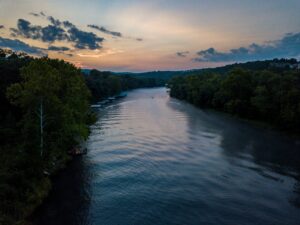
In a grant project focused on levee setbacks, UGA scientists are filling a critical gap in biodiversity benefit assessment for USACE.
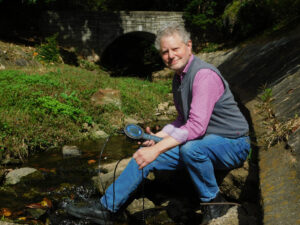
To Todd Rasmussen, teaching has never been secondary to research. Many of his former students now hold positions in federal, state and private sectors, making a difference in various water-related disciplines, and these professionals are his proudest contribution to his field.

Thirty students showcased their research on Friday, Oct. 20, at the first annual graduate research poster contest. Their work spanned a range of policy and
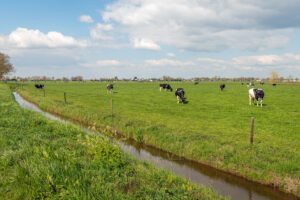
The Clean Water Act of 1972 remains the guiding legislation for regulating America’s water quality. But new research from the University of Georgia suggests parts of it may not be working.The study found that Clean Water Act regulations haven’t significantly reduced the amount of nonpoint source nutrient pollution in America’s waterways.
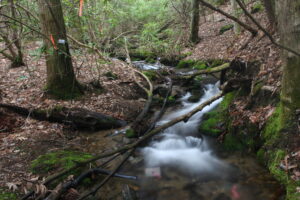
Few nutrients are as fundamental to or ubiquitous in modern life as nitrogen and phosphorus. As fertilizers, they form the bedrock of our global agricultural systems—but at a cost to our waterways.
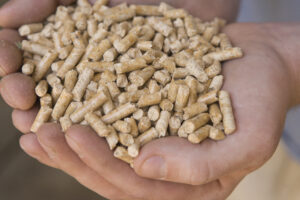
As small trees and other woody debris are harvested, other trees are growing across the landscape. So, argues Warnell associate professor and RBC affiliate Puneet Dwivedi, it’s not that a tree that was cut to produce pellets would take another 10 years to grow back, but more accurately that across the landscape, other small trees are growing to replace what was cut.